

Your Complete Guide to Exploring the Best of Ecuador
Nestled on South America’s Pacific coast, Ecuador is a land of staggering geographic contrasts—from snow-capped Andean peaks and misty cloud forests, rain-shadow valleys and volcanic highlands to Amazonian rainforest and unique Galápagos Islands. Its indigenous cultures, reflected in vibrant markets, traditional festivals and historic cities, blend with Spanish colonial heritage. Cuisine features fresh seafood and Andean staples like mote and empanadas. Compact and biodiverse, Ecuador offers off-the-beaten-path trekking, wildlife encounters and immersive cultural experiences.
When to visit
Temp Range
Currency
Min Budget


Jun – Sep
15 – 30°C
59 – 86°F
United States Dollar (USD)
$30 – 50/day
- Top Attractions
- Map
- Transport
- Budget
- Seasonality and Weather
- Must Try Dishes
- Language
- Nearby Destinations
- Useful Pages
Top Attractions
See below for a selection of the top attractions in Ecuador, review the map to see where these are located to help plan your trip.
Galapagos Islands
The Galapagos archipelago is famed for its unparalleled wildlife and volcanic landscapes. Visitors encounter giant tortoises, marine iguanas, blue-footed boobies and playful sea lions in their natural habitats. Guided cruises and day trips include snorkelling over vivid coral reefs, hikes across hardened lava fields and educational talks on conservation. Strict visitor quotas and sustainable practices preserve this UNESCO Biosphere Reserve’s fragile biodiversity.
Access from – Quito
Cotopaxi National Park
Home to the 5,897 m Cotopaxi Volcano, this park features stark páramo grasslands, glacial lakes and sweeping Andean vistas. Hikers ascend to the 4,800 m refuge, mountain bikers tackle volcanic trails, and wildlife watchers spot Andean foxes and wild horses. Horseback rides and guided climbs lead toward the crater rim, offering panoramic views across the rugged landscape carved by centuries of volcanic activity.
Access from – Quito
Quilotoa Crater Lake
Quilotoa is a vivid emerald-green crater lake formed in a collapsed volcano at 3,914 m. Jagged ridges frame the water, which shifts hue with light and season. Adventurers trek the rim for sweeping valley panoramas, kayak on the placid surface or descend steep trails to the shore. Nearby Kichwa communities host homestays and weekend markets, selling handwoven textiles, ceramics and traditional crafts.
Access from – Latacunga
Historic Centre of Quito
Quito’s UNESCO-listed core dazzles with baroque churches, colonial mansions and cobblestone lanes. Plaza Grande anchors the district, flanked by the Presidential Palace and the gilded La Compañía church. Visitors browse artisan shops, sample Ecuadorian chocolate in century-old cafés and ascend El Panecillo hill for sweeping views of red-tiled rooftops against a backdrop of Andean peaks.
Access from – Quito
Otavalo Market
Otavalo hosts one of South America’s largest indigenous markets every weekend. Stalls brim with vibrant textiles, ponchos, tapestries, silver jewellery and artisanal crafts. Kichwa vendors share traditional dyeing techniques as musicians and dancers animate the scene. Nearby, Peguche waterfall and the crater lake Cuicocha offer natural escapes, making Otavalo a cultural and ecological hub in Ecuador’s northern highlands.
Access from – Otavalo
Baños de Agua Santa
Nestled at Tungurahua Volcano’s foothills, Baños is celebrated for its thermal springs and waterfall-studded canyon. Thrill-seekers zip-line gorges, mountain bike winding trails and raft the Pastaza River’s rapids. Soothing hot baths, fresh fruit markets and lively nightlife create a balance of adventure and relaxation. Scenic overlooks reveal panoramic views of steam-rising springs set against lush Andean valleys.
Access from – Baños
Mindo Cloud Forest
Mindo’s mist-shrouded cloud forest boasts extraordinary biodiversity and world-class birdwatching. Over 500 bird species—including toucans and hummingbirds—flit among moss-draped trees. Visitors traverse canopy bridges, tube down jungle rivers and tour butterfly and orchid farms. Night walks reveal glowing fungi, while local chocolate tours on cacao farms highlight eco-friendly community initiatives in this verdant Andean foothill refuge.
Access from – Mindo
Parque Nacional Cajas
Just west of Cuenca, Cajas protects over 200 glacial lakes amid páramo grasslands and Polylepis forests at 3,100–4,450 m altitude. Hikers follow trails linking turquoise lagoons and windswept peaks, while anglers fish for trout in high-altitude waters. The park’s crisp air, shifting weather and endemic birdlife—including giant coots—make multi-day treks, mountain biking and horseback rides unforgettable experiences in the Andean wilderness.
Access from – Cuenca
Cuyabeno Wildlife Reserve
Cuyabeno safeguards one of Ecuador’s richest Amazonian ecosystems, with flooded forests, serpentine oxbow lakes and expansive wetlands. Pink river dolphins, anacondas, caimans and macaws thrive here. Stilted jungle lodges offer night safaris, canoe excursions and canopy-tower vistas. Visits include cultural exchanges with Siona and Secoya communities, who share ancestral knowledge of medicinal plants, fishing techniques and sustainable forest stewardship.
Access from – Lago Agrio
Ingapirca Ruins
Ingapirca is Ecuador’s largest Inca site, notable for the Temple of the Sun built from precisely cut andesite stones. Perched above Andean valleys, it merges Inca architectural genius with Cañari traditions. Interpretive trails reveal ancient water channels and terraced plazas. The on-site museum displays ceramics, tools and explanations of stone-masonry techniques, while cool mountain breezes and panoramic vistas underscore its high-altitude grandeur.
Access from – Cuenca
Devil’s Nose Train
The Devil’s Nose Railway descends jagged Andean cliffs via dramatic switchbacks on vintage railcars. Constructed in the early 20th century, it once linked the highlands to coastal plains. The journey starts in Alausí, winding through tunnels and over hand-built viaducts with breath-taking canyon views. Travelers can combine the communal train ride with guided hikes along historic track segments, feeling the legacy of Ecuadorian railroad engineering.
Access from – Alausí
La Mitad del Mundo
Marking the equator just north of Quito, La Mitad del Mundo features a 30 m monument, interactive science exhibits and an ethnographic museum. Visitors stand with one foot in each hemisphere, witness equator-based balance and water experiments, and explore displays on Ecuador’s pre-Columbian cultures. Nearby gardens showcase traditional dwellings and rituals, while GPS surveys highlight latitude corrections over centuries of geographic exploration.
Access from – Quito
Islas de la Plata
Dubbed “The Poor Man’s Galapagos,” Islas de la Plata lie off Puerto López and harbour blue-footed boobies, Nazca boobies and sea lions. Day trips include snorkelling over coral reefs, hikes to cliff-top lookouts and guided birdwatching along rocky trails. Marine life encounters and dramatic Pacific sunsets make this accessible sanctuary a popular alternative to the Galapagos for wildlife enthusiasts.
Access from – São Paulo
Montañita Beach
Montañita’s golden sands and consistent Pacific swell draw surfers of all levels to this laid-back coastal town. By day, surf schools and board rentals abound; by night, beachfront bars and live music create a vibrant party scene. Yoga retreats, artisanal markets and bohemian cafés round out the experience, offering wellness and local crafts alongside sun-soaked beach culture for backpackers and boho travellers alike.
Access from – Montañita
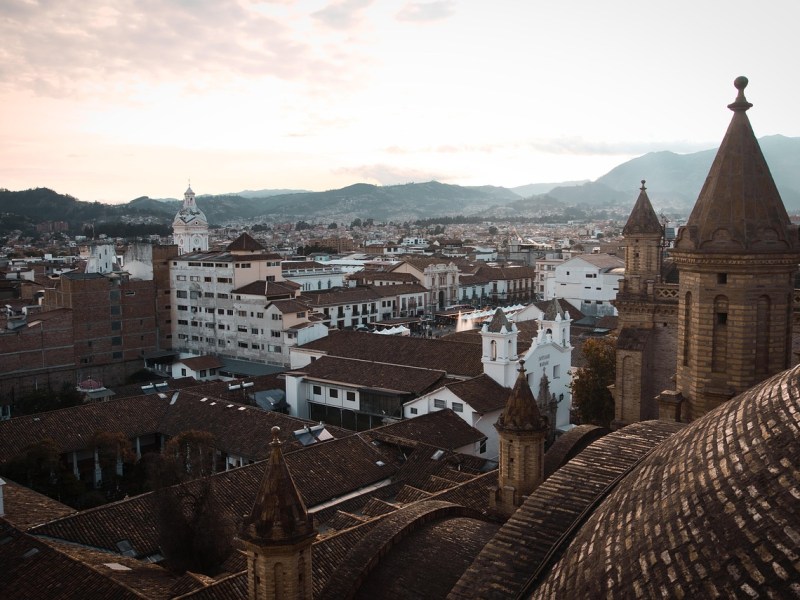
Historic Centre of Cuenca
Cuenca’s colonial heart is a UNESCO World Heritage site distinguished by whitewashed buildings, red-tiled roofs and the blue-domed Cathedral of the Immaculate Conception. Winding rivers carve through leafy plazas framed by artisan workshops and arched arcades. Visitors browse panama hat ateliers, sample local delicacies at bustling markets and explore museums housed in restored mansions, uncovering centuries of Ecuadorian art, religion and urban design.
Access from – Cuenca
Map
See map of Ecuador to review top attractions. For the best experience save locally to open with google maps/share with your friends to help plan your next adventure!
Transport
Backpackers traverse Ecuador primarily by long-distance buses that link Quito, Guayaquil, Cuenca, Loja and Amazon gateways like Tena and Lago Agrio. Overnight VIP and express buses cost US $10–$25, offering reclining seats and onboard amenities. The Nariz del Diablo train near Alausí runs thrice weekly for scenic mountain travel. In the Galápagos, inter-island speedboats connect Santa Cruz, San Cristóbal and Isabela. Shared minibuses (colectivos) and moto-taxis handle rural routes and short hops. Urban rides rely on taxis, but ride-hailing apps like Uber and Cabify operate in Quito, Guayaquil and Cuenca, providing upfront fares, cashless payments and air-conditioned comfort.
Budget
Budget travellers can explore Ecuador for US $25–$40 per day on dorm beds, street food and local transport. A mid-range budget of US $60–$120 per day covers private rooms, guided tours and nicer restaurants. Luxury travel starts at US $150 per day, including boutique hotels, domestic flights and private guides.
Seasonality and Weather
Climate zones span the Pacific coast, Andean highlands and Amazon basin. Coastal lowlands around Guayaquil average 23–31 °C (73–88 °F) year-round with high humidity and a wet season from December to May. Highland cities like Quito (2,850 m) experience 10–20 °C (50–68 °F) daily, with sunny mornings and cool nights; rainy season runs October to May. Amazon rainforest regions see 24–32 °C (75–90 °F) with heavy rains June to November. Galápagos Islands maintain 22–30 °C (72–86 °F) year-round; their dry season from June to November offers calmer seas and active wildlife nesting. The best travel window is the highland dry season (June–September), with clearer skies and optimal trekking conditions.
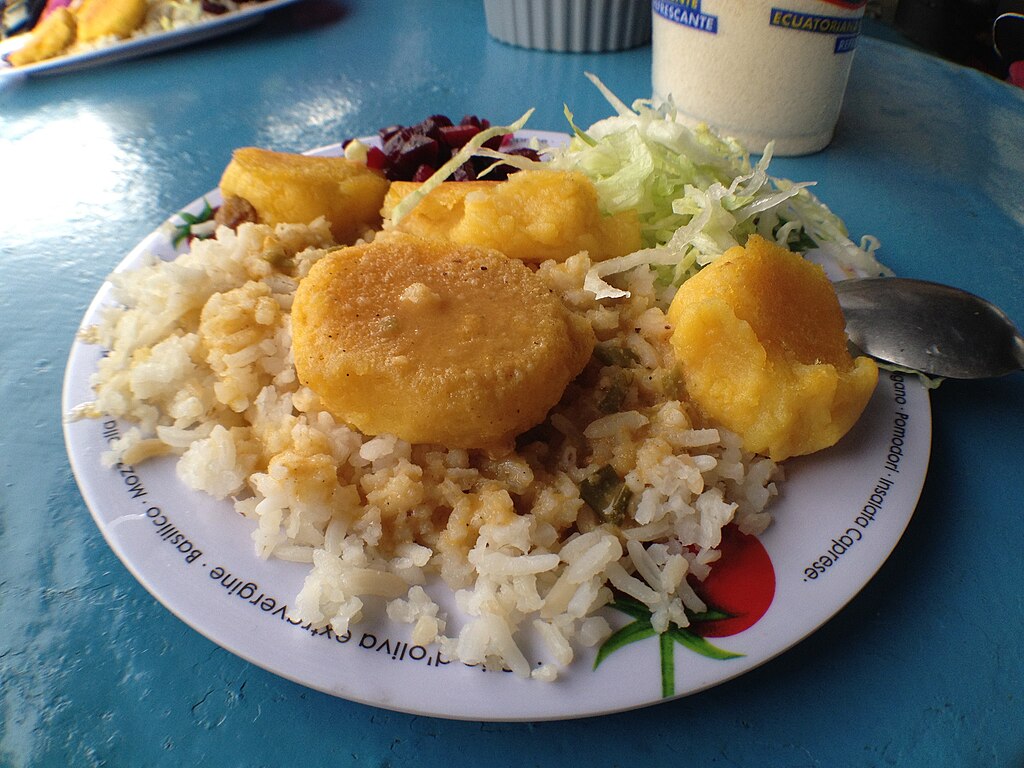
Must Try Dishes


Language
The main language spoken is Spanish. Below are some key phrases (phonetic translation) to get you started. A big smile and a few words can get you a long way!




 WindingTravel
