
Your Complete Guide to Exploring the Best of Brazil
Brazil, a land of vibrant culture and stunning landscapes, captivates with its lively cities, diverse ecosystems, and rhythmic music. From the vibrant streets of Rio de Janeiro to the majestic Amazon rainforest, Brazil offers a blend of natural beauty and cultural richness. Explore iconic landmarks like Christ the Redeemer, savour Brazilian cuisine like feijoada and churrasco, and experience colourful festivals like Carnival. The country’s pristine beaches, lush jungles, and welcoming people make it a top destination for travellers seeking both adventure and relaxation. Brazil’s unique charm ensures an unforgettable travel experience.
When to visit
Temp Range
Currency
Min Budget


May – Sep
20 – 35°C
68 – 95°F
Brazilian Real (BRL)
$40-60/day
- Top Attractions
- Map
- Transport
- Budget
- Seasonality and Weather
- Must Try Dishes
- Language
- Nearby Destinations
- Useful Pages
Top Attractions
See below for a selection of the top attractions in Brazil, review the map to see where these are located to help plan your trip.
Christ the Redeemer
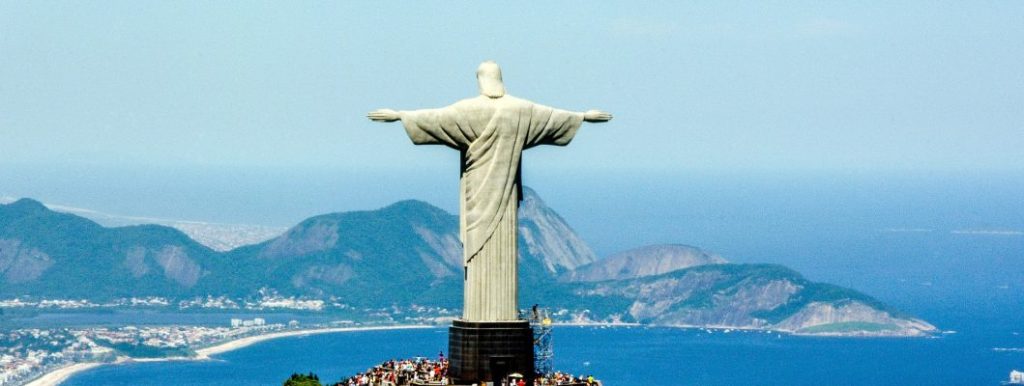
Christ the Redeemer stands atop Corcovado Mountain, symbolizing Brazilian Christianity and offering sweeping views of Rio de Janeiro. This iconic statue, completed in 1931, is a marvel of engineering and a UNESCO World Heritage site as well as one of the Modern Wonders of the World. It attracts millions of visitors annually, drawn by its spiritual significance and breath-taking panoramas.
Access from – Rio de Janeiro
Iguazu Falls
Situated on the border between Brazil and Argentina, Iguazu Falls is a mesmerizing natural wonder comprising over 270 waterfalls cascading through dense rainforest. The sheer force and beauty of the falls create a spectacle that’s best experienced from viewpoints along walking trails or on thrilling boat rides beneath the falls.
Access from – Foz do Iguaçu
Amazon Rainforest
The Amazon Rainforest spans nine countries, with the largest portion in Brazil. It’s Earth’s most biodiverse region, housing an estimated 10% of the world’s known species. This vast ecosystem plays a critical role in regulating global climate and freshwater systems, making it vital for global biodiversity conservation and indigenous cultures.
Access from – Manaus (and other access points in the Amazon)
Pantanal Wetlands
Brazil’s Pantanal is the world’s largest tropical wetland, renowned for its exceptional biodiversity and pristine landscapes. It’s home to iconic wildlife like jaguars, capybaras, and giant otters, thriving in diverse habitats from flooded plains to dry forests. Visitors enjoy wildlife safaris, birdwatching, and fishing in this vast, untouched wilderness.
Access from – Cuiabá (and other access points in the Pantanal)
Copacabana Beach
Copacabana Beach is Rio de Janeiro’s most famous stretch of sand, synonymous with Brazilian beach culture and lively ambiance. Stretching for 4 km, it offers not just sun and surf, but also a vibrant boardwalk lined with kiosks, bars, and hotels. The beach hosts world-renowned events, including Rio’s extravagant New Year’s Eve celebrations and the colourful Carnival parade, embodying the city’s festive spirit and cultural diversity.
Access from – Rio de Janeiro
Sugarloaf Mountain
Sugarloaf Mountain, rising 396 meters above Rio de Janeiro’s harbour, offers panoramic views of the city, Guanabara Bay, and the Atlantic Ocean. Accessible by cable car, it’s a popular spot for sunset views and outdoor enthusiasts seeking hiking trails and rock climbing challenges amid lush surroundings.
Access from – Rio de Janeiro
Fernando de Noronha
Fernando de Noronha, a volcanic archipelago off Brazil’s northeast coast, is a UNESCO World Heritage site and marine conservation area. Known for its pristine beaches, crystal-clear waters, and rich marine life, it’s a paradise for snorkelling, diving, and observing dolphins and sea turtles in their natural habitat.
Access from – Natal, Recife or Fortaleza
Salvador’s Historic Centre
Salvador’s Pelourinho, a UNESCO World Heritage site, is the heart of its historic centre. It showcases colourful colonial architecture, Baroque churches, and vibrant Afro-Brazilian culture through music, dance, and cuisine. Visitors can explore cobblestone streets, visit museums, and experience Salvador’s unique blend of African and Portuguese heritage.
Access from – Salvador
Chapada Diamantina National Park
Chapada Diamantina, in Bahia state, is a paradise for nature lovers and adventure seekers. It features stunning landscapes of canyons, caves, waterfalls, and table-top mountains. Visitors can hike through the park’s diverse ecosystems, swim in natural pools, and explore the underground wonders of its limestone caves.
Access from – Lençóis
Rio Carnival
Rio Carnival is the world’s largest and most famous carnival, attracting millions to Rio de Janeiro each February. It’s a spectacular celebration of music, dance, and Brazilian culture, featuring samba parades, elaborate costumes, street parties, and lively performances that showcase the city’s vibrant spirit and creativity.
Access from – Rio de Janeiro (during carnival season)
Ouro Preto Historic Town
Step into the UNESCO World Heritage site of Ouro Preto, a charming town in Minas Gerais. Its preserved baroque architecture, adorned with intricate gold leaf, tells the story of Brazil’s colonial past. Wander cobblestone streets lined with churches like São Francisco de Assis, offering a glimpse into the country’s rich cultural and architectural heritage.
Access from – Ouro Preto
Lençóis Maranhenses National Park
Lençóis Maranhenses, a marvel in north-eastern Brazil, captivates with its otherworldly landscape of rolling sand dunes and crystal-clear lagoons. During the rainy season, these natural pools form between the dunes, creating a stunning contrast against the white sands. Explore this unique ecosystem where desert meets water in a breath-taking display of nature’s artistry.
Access from – Barreirinhas
Sao Paulo Museum of Art (MASP)
Explore the São Paulo Museum of Art (MASP), an architectural marvel and cultural beacon on Avenida Paulista. Its vast collection spans Western art from antiquity to modernism, showcasing renowned artists like Rembrandt and Van Gogh. MASP’s innovative exhibitions and cultural programs celebrate São Paulo’s artistic diversity and historical richness.
Access from – São Paulo
Harbour of Rio de Janeiro
Marvel at the stunning Harbour of Rio de Janeiro, featuring iconic landmarks like Sugarloaf Mountain and Christ the Redeemer. Surrounded by lush mountains and scenic beaches, the harbour offers breath-taking views. Visitors can enjoy activities such as sailing, hiking, and exploring nearby islands. The harbour’s natural beauty and vibrant atmosphere make it a must-see attraction in Brazil.
Access from – Rio de Janeiro
Map
See map of Brazil to review top attractions. For the best experience save locally to open with google maps/share with your friends to help plan your next adventure! Some locations are hidden behind others, click map to reveal full details:

Transport
In Brazil, transport options include an extensive network of intercity buses connecting major cities and tourist destinations. Within cities, buses and trams are primary modes of local transport, providing affordable and extensive coverage. Trams are particularly notable in cities like Rio de Janeiro and Santos, offering scenic routes. Domestic flights are essential for covering vast distances between regions. Trains are limited but provide scenic routes in certain areas. Rental cars and camper vans offer flexibility for exploring remote locations. Taxis are widely available in urban areas, identifiable by their distinctive colours, and ride-hailing apps such as Uber, 99 Taxi and Cabify are popular and convenient, offering transparent pricing and ease of use. It’s recommended to use apps for safety and reliability, especially during night time or in less populated areas.
Budget
Traveling in Brazil varies; budget travellers spend $40-$60 per day on hostels and local food; mid-range travellers budget $80-$120 for hotels and dining out; luxury travellers may spend $300+ daily on upscale accommodations, fine dining, and exclusive experiences. Costs can be higher in tourist hubs like Rio de Janeiro and São Paulo.
Seasonality and Weather
Brazil’s weather varies widely due to its size and diverse geography. In the tropical north (Amazon rainforest), temperatures range from 25–35°C (77–95°F) year-round, with high humidity and frequent rainfall. The central regions (São Paulo, Brasília) have a subtropical climate, with summers (December to February) around 25–30°C (77–86°F) and winters (June to August) cooler, around 15–20°C (59–68°F). The southern regions (Rio de Janeiro, Florianópolis) experience a more temperate climate, with temperatures similar to the central areas but with more pronounced seasons. The best time to visit Brazil is during the dry season (May to September), avoiding the rainy season and enjoying pleasant temperatures nationwide.
Must Try Dishes



Language
The main language spoken is Portuguese. Below are some key phrases (phonetic translation) to get you started. A big smile and a few words can get you a long way!

Nearby Destinations
Useful Pages


Image Attributions
| Image | Author | Link |
| Chapada Diamantina National Park | Danielle Pereira | Danielle Pereira from Brasil, CC BY 2.0, via Wikimedia Commons |
| Carnival festival in Rio | Jia Li | Jia Li from 上海, 中華人民共和國, CC BY 2.0, via Wikimedia Commons |
 WindingTravel
.jpg)
.jpg)