

Your Complete Guide to Exploring the Best of Bolivia
Bolivia is a landlocked country in South America defined by dramatic landscapes that range from snow-capped Andes peaks and high-altitude salt flats to lush Amazon rainforest lowlands. Its rich indigenous legacy is evident in vibrant traditional festivals, colourful markets and authentic culinary specialties. Spanish colonial cities feature whitewashed architecture set against rugged mountains. Despite economic and social challenges, Bolivia charms travellers with welcoming communities, off-the-beaten-path adventure opportunities and cultural and natural diversity that rewards exploration.
When to visit
Temp Range
Currency
Min Budget


Apr – Oct
10 – 20 °C
50 – 68 °F
Bolivian Boliviano (BOB)
$25-40/day
Top Attractions
See below for a selection of the top attractions in Bolivia, review the map to see where these are located to help plan your trip.
Salar de Uyuni
Salar de Uyuni is the world’s largest salt flat, spanning over 10,000 km² in southwest Bolivia. The vast white expanse creates surreal mirror reflections after rains and endless geometric patterns when dry. Visitors explore flamingo-filled lagoons, active volcanoes on nearby islands, and jagged rock formations. Sunrise and sunset views amplify the magic, while starlit skies over the salt crust offer unparalleled astrophotography opportunities.
Access from – Uyuni
Train Cemetery (Cementerio de Trenes)
Outside Uyuni, the rusting hulks of 19th-century locomotives lie abandoned on dusty tracks, relics of Bolivia’s former mining railway. Graffiti-tagged engines and carriages create a haunting tableau against the Andean backdrop. It’s a photographer’s dream at golden hour; exploring the skeletal frames provides insight into the region’s industrial past and the human stories entwined with salt and mineral extraction in this remote high-altitude desert.
Access from – Uyuni
Isla Incahuasi
Rising like a green oasis from Salar de Uyuni, Isla Incahuasi is carpeted in giant cacti and offers panoramic salt-flat vistas. Visitors wander among towering 9 m cacti, encounter rock formations sculpted by wind and time, and survey endless white plains from rocky outcrops. The island’s high vantage points frame breath-taking 360° horizons, making it a must-see stop on multi-day overland tours across Bolivia’s otherworldly altiplano.
Access from – Uyuni
Eduardo Avaroa Andean Fauna National Reserve
In southwest Bolivia, this high-altitude reserve encompasses volcanic landscapes, mineral-rich lagoons and rugged deserts. Flamingos wade in Laguna Colorada’s red waters, while geysers steam at Sol de Mañana at dawn. The reserve shelters Andean wildlife—vicuñas, rheas and vizcachas—and dramatic salt-encrusted salt flats. Multi-day 4×4 expeditions navigate dusty tracks between remote refugios, offering authentic immersion in Bolivia’s surreal southwestern frontier.
Access from – Uyuni
Laguna Verde & Licancabur
At the Chilean border, Laguna Verde’s emerald waters lie beneath the smoking cone of Licancabur Volcano at 5,916 m. The mineral-rich lake shimmers with intense green hues, contrasting sharply with arid, rust-coloured plains. High winds sculpt sand dunes, and thermal vents hiss nearby. Though frigid at altitude, the setting feels lunar—perfect for landscape photography and as part of an overland loop through Eduardo Avaroa Reserve.
Access from – Uyuni
Tiwanaku Archaeological Site
Near Lake Titicaca, Tiwanaku was the heart of a pre-Inca civilization from 1500 BC to AD 1000. Imposing stone gateways, carved monoliths and sunken plazas reveal advanced astronomical and hydraulic engineering. Highlights include the Akapana pyramid, the Sun Gate and the semi-subterranean temple with ritual niches. Expert guides shed light on ritual life, cosmology and the enduring mysteries of this UNESCO-listed cultural masterpiece.
Access from – La Paz
Isla del Sol, Lake Titicaca
On Bolivia’s side of Lake Titicaca, Isla del Sol is steeped in Inca mythology as the birthplace of the sun god. Steep stone terraces, ancient fountains and scattered ruins dot the slopes. Hiking between the northern and southern villages passes sacred sites like Pilkokaina and the Sacred Rock. Clear air and mirror-smooth waters reflect snow-capped peaks, while homestays with Aymara families offer cultural immersion in traditional highland life.
Access from – Copacabana
Valle de la Luna (Moon Valley)
This erosion-carved badlands feature sharp pinnacles, deep ravines and undulating spires of pale sandstone. Trails wind through lunar-landscape formations that shift hue with sun angle. Viewing platforms overlook the surreal expanse, especially striking at sunset when long shadows sculpt a dramatic panorama. The site provides a stark counterpoint to the city’s urban buzz and easy half-day escape into geological artistry.
Access from – La Paz
Yungas “Death Road” Cycling
Known as the world’s most dangerous road, the Yungas route drops 3,500 m from the high Andes down to the Amazon basin over hairpin turns and narrow ledges. Thrill-seekers join guided downhill bike tours on gravel tracks carved into steep cliffs. Along the way, misty cloud forests emerge, waterfalls cascade and rural villages appear. Despite a safer new highway, the original path remains a bucket-list adrenaline experience for adventurous cyclists.
Access from – La Paz
Madidi National Park
Covering over 18,000 km² of Amazonian lowlands and Andean foothills, Madidi is one of the world’s most biodiverse reserves. Jungle treks reveal capybaras, jaguars, macaws and monkeys. River excursions navigate oxbow lakes in traditional dugout canoes, while canopy towers and rope bridges offer rainforest panoramas. Community-run ecolodges provide immersive stays, combining guided wildlife spotting, night walks and cultural encounters with Tacana indigenous communities.
Access from – Rurrenabaque
Potosí & Cerro Rico Mine Tours
Potosí’s silver-rich Cerro Rico looms over the city at 4,800 m, once fueling the Spanish Empire. Guided mine tours descend into narrow, dimly-lit shafts, showing mules, hand-hewn tunnels and century-old equipment. Guides demonstrate traditional mining rituals and share miners’ stories of hardship. Back in town, the colonial Plaza 10 de Noviembre and splendid Baroque churches reflect Potosí’s legendary wealth and UNESCO World Heritage status.
Access from – Potosí
Sucre Colonial City
Bolivia’s constitutional capital dazzles with whitewashed buildings, red-tiled roofs and leafy plazas. Cobblestone streets lead to the ornate La Recoletta museum, the striking Casa de la Libertad and the sprawling Convento de San Felipe de Neri. Sucre’s temperate climate invites leisurely café culture, while nearby dinosaur footprints at Cal Orck’o attract paleontology buffs. The city’s charm lies in its blend of heritage architecture and vibrant arts scene.
Access from – Sucre
Torotoro National Park
Hidden between Cochabamba and Potosí, Toro Toro reveals millions-year-old dinosaur footprints on sandstone beds, deep canyons and crystal-lined caves. Guided hikes descend into the Concepción Gorge to view waterfalls and the jaw-dropping Une††ocapi cave formations. Palaeontological sites and hidden pools add to the park’s adventure. With rustic lodging in Toro Toro village, visitors experience remote, off-the-beaten-path exploration under a canopy of Andean stars.
Access from – Cochabamba
Amboró National Park
Straddling the humid foothills below the Andes, Amboró encompasses cloud forests, savannas and Amazon rainforests. Over 800 bird species and 100 mammal species—including jaguars and tapirs—inhabit the park. Trails range from easy waterfall walks to multi-day treks through primary forest. The remote Florida section features canopy platforms and indigenous guides who share ethnobotanical knowledge. Eco-lodges near Buena Vista provide comfortable gateways.
Access from – Santa Cruz de la Sierra
Tarija Wine Route
Bolivia’s southern wine region around Tarija produces robust Tannat and elegant Cabernet Sauvignon at high altitude. Scenic vineyards unfurl on terraced hillsides, punctuated by traditional cellars and tasting rooms. Visitors sample wines paired with regional cheeses and artisanal charcuterie. Harvest festivals in March celebrate grape picking with folkloric dances and open-air banquets. Boutique wineries offer guided tours through barrel-filled bodegas and picturesque vineyards.
Access from – Tarija
Map
See map of Laos to review top attractions. For the best experience save locally to open with google maps/share with your friends to help plan your next adventure!
Transport
Backpackers commonly traverse Bolivia on long-distance buses linking La Paz, Sucre, Potosí, Uyuni, Santa Cruz and Cochabamba. VIP and semi-cama overnight services cost US $10–$30, offering reclining seats and blankets. Trains—operated three times weekly on the Wara Wara del Sur line—connect Oruro with Uyuni via scenic altiplano. Shared minibuses and colectivos serve secondary towns such as Tupiza and Rurrenabaque. Boat taxis cross Lake Titicaca between Copacabana and Isla del Sol. Within cities, moto-taxis and trufis handle short hops. Ride-hailing apps like Uber (available in La Paz, Santa Cruz and Cochabamba) and local Easy Taxi offer transparent fares and smartphone booking for car and motorcycle rides.
Budget
Budget travellers can explore Bolivia for US $25–$40 per day, covering dorm beds, street food and public buses. A comfortable mid-range budget of US $50–$100 per day provides private rooms, guided excursions and nicer meals. Luxury itineraries typically start at US $150 per day, including upscale lodgings, private transfers and dining.
Seasonality and Weather
Bolivia’s climate varies dramatically with altitude. On the Altiplano around La Paz, daytime highs average 10–20 °C (50–68 °F) year-round, while nights can drop near 0 °C (32 °F). Mid-altitude valleys such as Sucre enjoy temperate days around 20 °C (68 °F) year-round. In contrast, Amazon lowlands around Rurrenabaque and Trinidad stay warm and humid, with temperatures of 24–32 °C (75–90 °F). Rainy season runs from November to March, bringing heavy afternoon showers and lush green landscapes. The drier months from April to October offer clear skies and cooler conditions, making June to September the optimal time for trekking, sightseeing and accessing high-altitude sites without rainfall disruptions.
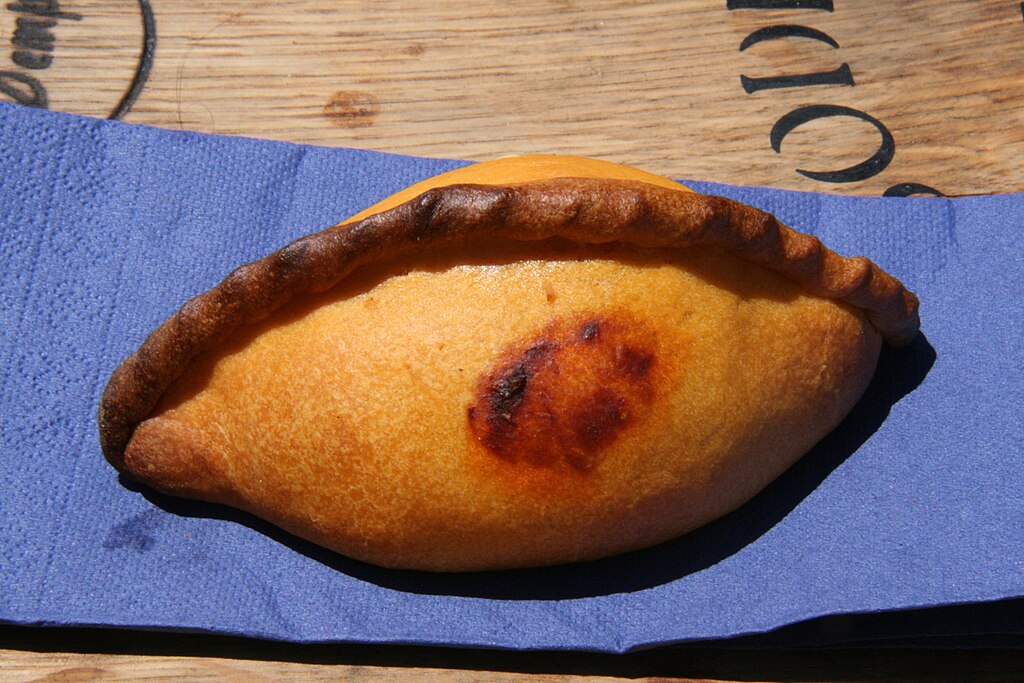
Must Try Dishes


Language
The main language spoken is Spanish. Below are some key phrases (phonetic translation) to get you started. A big smile and a few words can get you a long way!

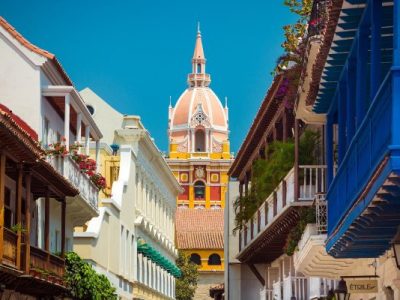
Bolivia’s Top Cities
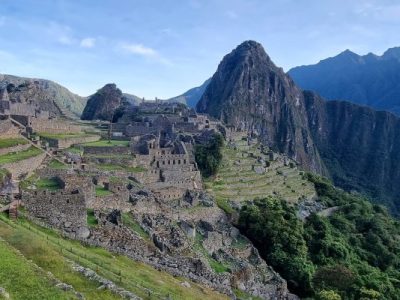
Nearby Destinations
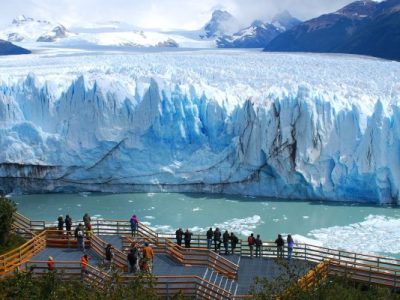
Useful Pages

Image Attributions
| Image | Author, License |
| Eduardo Avaroa Andean Fauna National Reserve | Otávio Nogueira from Fortaleza, BR, CC BY 2.0, via Wikimedia Commons |
| Amboró National Park | Roger Coathup, CC BY 2.0, via Wikimedia Commons |
| Tarija Wine Route | Ruditaly, CC BY 4.0, via Wikimedia Commons |
| Salteñas | Tamorlan, CC BY 3.0, via Wikimedia Commons |
| Pique Macho | MollySVH, CC BY 2.0, via Wikimedia Commons |
 WindingTravel
.jpg)


-2011-01.JPG)
