
Your Complete Guide to Exploring the Best of Argentina
Argentina, a land of diverse landscapes and vibrant culture, captivates with its breath-taking natural wonders, passionate tango, and delicious cuisine. From the cosmopolitan streets of Buenos Aires to the majestic Andes Mountains, Argentina offers a blend of tradition and adventure. Explore ancient glaciers, savour juicy steaks and Malbec wines, and experience lively festivals. The country’s vast pampas, stunning Patagonian wilderness, and vibrant arts scene make it a top destination for travellers. Argentina’s unique charm ensures an unforgettable travel experience.
When to visit
Temp Range
Currency
Min Budget


Sep – Nov
Mar – May
5 – 35°C
41 – 95°F
Argentine Peso (ARS)
$30-40/day
Top Attractions
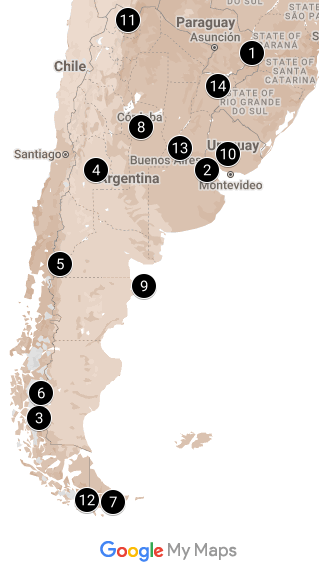
See below for a selection of the top attractions in Argentina, review the map to see where these are located to help plan your trip.
Iguazu Falls
Iguazu Falls, located on the border of Argentina and Brazil, is one of the world’s most stunning natural wonders. With over 270 cascades spread across nearly 3 kilometres, it offers breath-taking views and immersive experiences like boat rides under the falls. The surrounding national parks provide diverse wildlife and lush rainforest trails, making it a must-visit for nature enthusiasts.
Access from – Puerto Iguazú
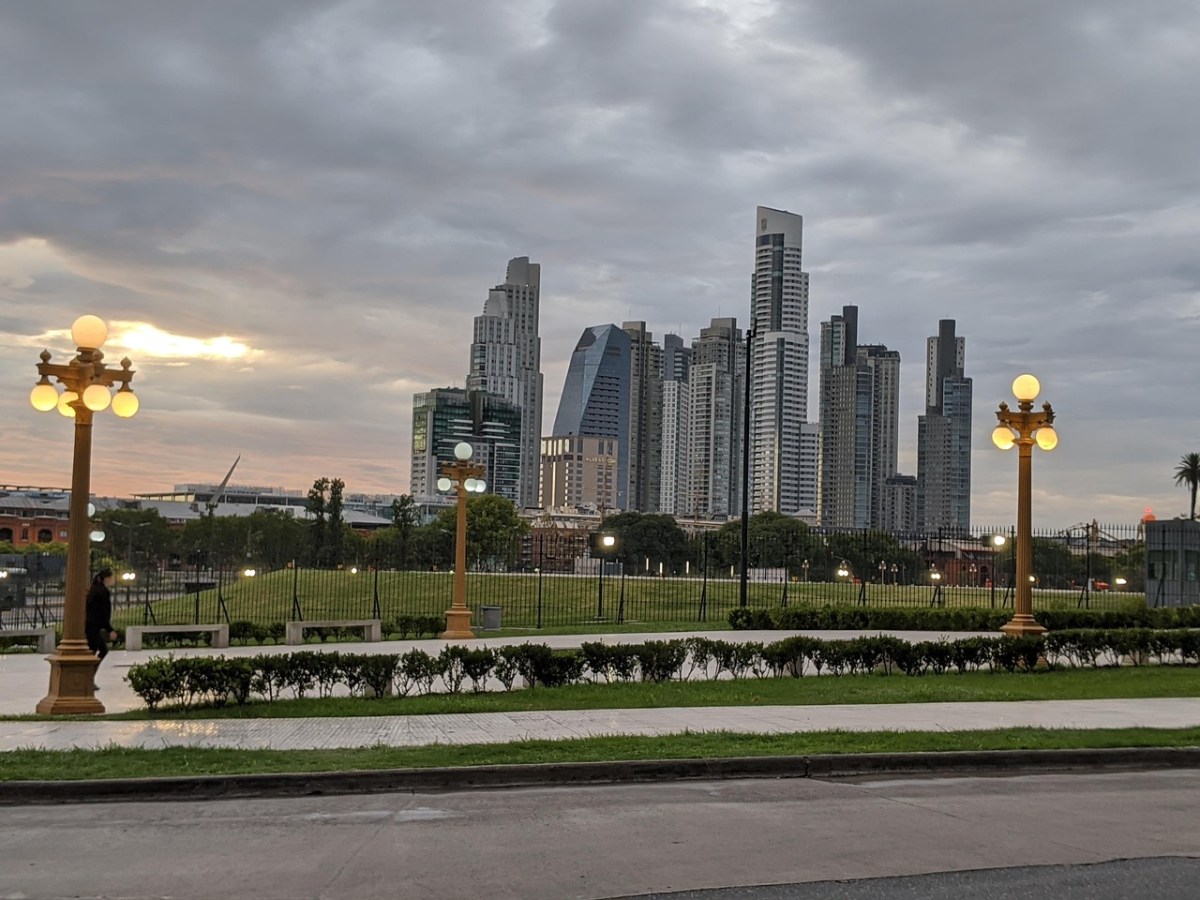
Buenos Aires
Buenos Aires, Argentina’s capital, is a vibrant city known for its European-style architecture, rich cultural scene, and passionate tango dance. Visitors can explore historic neighbourhoods like La Boca and San Telmo, visit iconic landmarks such as the Casa Rosada and Recoleta Cemetery, and enjoy world-class cuisine, shopping, and nightlife in this dynamic metropolis.
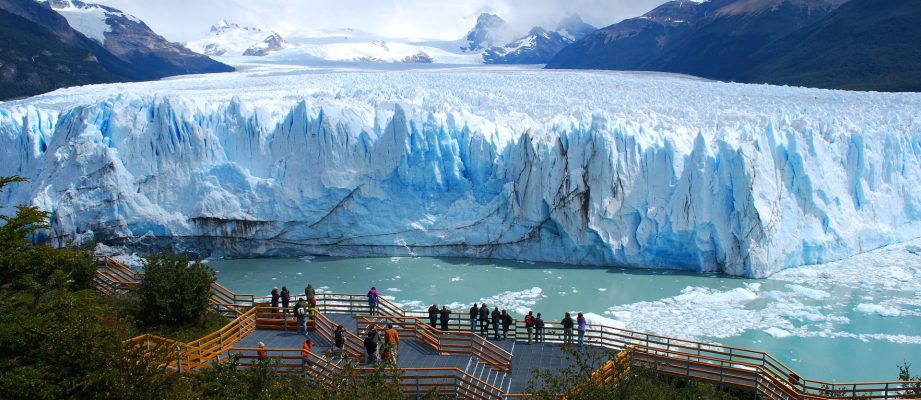
Perito Moreno Glacier
Perito Moreno Glacier, located in Los Glaciares National Park in Patagonia, is a spectacular ice formation known for its size, accessibility, and dynamic nature. Visitors can witness massive ice calving events, hike on designated trails for close-up views, and take boat tours to appreciate its towering ice walls and vibrant blue hues against the rugged landscape.
Access from – El Calafate
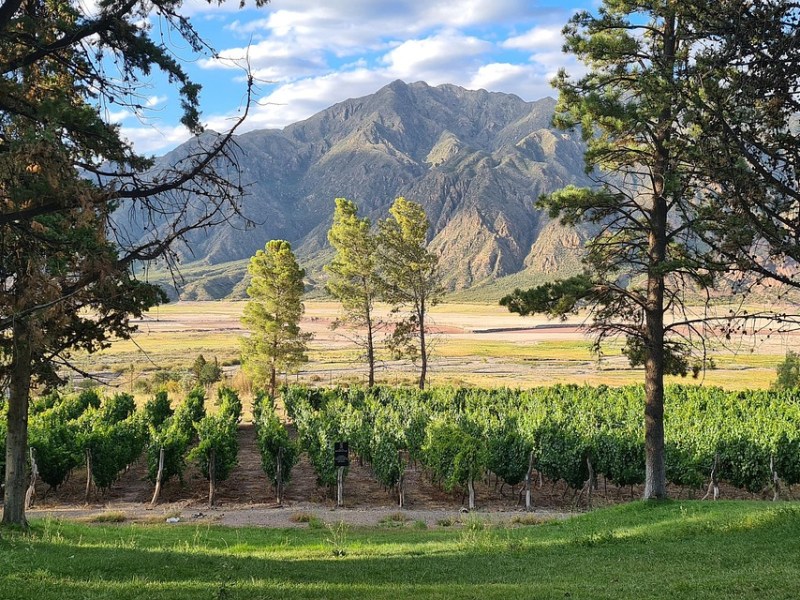
Mendoza
Mendoza, in western Argentina, is renowned for its wine production, particularly Malbec varietals. Visitors can tour vineyards in the scenic foothills of the Andes, sample wines at local wineries, and indulge in gourmet cuisine. Mendoza also offers outdoor activities like hiking and skiing in winter, along with cultural attractions and festivals celebrating Argentinean traditions.
Bariloche
Bariloche, located in the Andes of northern Patagonia, is famous for its stunning alpine scenery, lakes, and outdoor activities. Visitors can explore Nahuel Huapi National Park, take scenic drives along the Seven Lakes Route, and enjoy skiing in winter and hiking in summer. Bariloche’s Swiss-style architecture, chocolate shops, and craft breweries add to its charm as a year-round destination.
Access from – San Carlos de Bariloche
El Chaltén
El Chaltén, in Argentine Patagonia, is a trekker’s paradise nestled at the base of the Fitz Roy and Cerro Torre mountains. Visitors can hike trails like Laguna de los Tres for stunning views of Mount Fitz Roy, explore Glacier National Park, and experience outdoor activities such as rock climbing, fishing, and birdwatching in a pristine natural setting.
Ushuaia
Ushuaia, known as the “End of the World,” is the southernmost city in Argentina and gateway to Antarctica. Visitors can explore Tierra del Fuego National Park, take boat trips along the Beagle Channel to see penguins and sea lions, and visit historic sites like the former prison-turned-museum. Ushuaia offers adventurous activities, wildlife encounters, and stunning landscapes.
Cordoba
Cordoba, Argentina’s second-largest city, is known for its Spanish colonial architecture, vibrant culture, and academic institutions. Visitors can explore historic landmarks like the Jesuit Block and Estancias, visit museums and galleries, and enjoy traditional cuisine and local festivals. Cordoba’s scenic surroundings offer opportunities for hiking, horseback riding, and exploring nearby mountain villages.
Peninsula Valdés
Peninsula Valdés, a UNESCO World Heritage site in Patagonia, is renowned for its diverse wildlife and natural beauty. Visitors can observe southern right whales, sea lions, elephant seals, and penguins along its rugged coastline. The peninsula also offers opportunities for whale watching tours, scuba diving, and exploring its unique geological formations and pristine beaches.
Access from – Puerto Madryn
Tigre Delta
The Tigre Delta, located near Buenos Aires, is a sprawling network of islands and waterways formed by the Paraná River delta. Visitors can take boat tours through lush mangroves, visit riverside markets, and explore historic attractions like the Tigre Art Museum and Puerto de Frutos. The delta offers a tranquil escape with opportunities for kayaking, fishing, and birdwatching in a unique natural environment.
Access from – Tigre
Quebrada de Humahuaca
Quebrada de Humahuaca is a UNESCO World Heritage site in northern Argentina, known for its stunning landscapes and cultural heritage. Visitors can explore colourful rock formations, ancient Inca ruins, and indigenous villages along the valley. The region’s rich history, traditional festivals, and vibrant markets showcase its Andean culture and natural beauty.
Access from – Humahuaca
Tierra del Fuego National Park
Tierra del Fuego National Park, located near Ushuaia in Argentine Patagonia, offers diverse landscapes of mountains, forests, and coastal scenery. Visitors can hike trails like the Coastal Path and Pampa Alta, spot wildlife such as beavers and Andean condors, and take boat trips on Lapataia Bay. The park provides a pristine wilderness experience at the “End of the World.”
Access from – Ushuaia
Rosario
Rosario, Argentina’s third-largest city, is situated along the Paraná River and known for its cultural heritage and urban attractions. Visitors can explore historic landmarks like the National Flag Memorial, visit museums and art galleries, and enjoy waterfront promenades and parks. Rosario’s lively nightlife, gastronomic scene, and festivals contribute to its vibrant atmosphere and charm.
Esteros del Ibera Wetlands
Esteros del Ibera Wetlands, in north-eastern Argentina, is one of the largest freshwater wetlands in the world and a haven for wildlife. Visitors can explore the marshlands, lagoons, and forests on boat tours, spot caimans, capybaras, and hundreds of bird species, and stay at eco-lodges for a nature-immersive experience. The wetlands offer opportunities for birdwatching, fishing, and ecotourism in a biodiverse ecosystem.
Access from – Colonia Carlos Pellegrini
Map
See map of Argentina to review top attractions. For the best experience save locally to open with google maps/share with your friends to help plan your next adventure! Some locations are hidden behind others, click map to reveal full details:
Transport
Argentina’s key transport routes include long-distance buses , linking major cities such as Buenos Aires, Cordoba, Mendoza, and Bariloche. Trains offer scenic journeys to popular destinations. Domestic flights are available for longer distances. Taxis are prevalent in cities and tourist areas, though it’s essential to use licensed services. Ride-hailing apps like Uber and Cabify operate in Buenos Aires and other major cities, providing convenient and reliable transportation options with upfront pricing.
Budget
Traveling in Argentina varies; budget travellers spend $30-$40 per day on hostels and local food; mid-range travellers budget $60-$100 for hotels and dining out; luxury travellers may spend $150+ daily on upscale accommodations, fine dining, and exclusive experiences. Costs can vary based on location and season, with Buenos Aires typically more expensive than other regions.
Seasonality and Weather
Argentina’s weather varies widely due to its vast size and diverse geography. In the north, including Buenos Aires and Iguazu Falls, summers (December to February) are hot and humid with temperatures around 25–35°C (77–95°F), while winters (June to August) are mild, around 10–20°C (50–68°F). The central regions, like Cordoba and Mendoza, have hot summers and cooler winters, ideal for wine tourism. Patagonia in the south experiences cold winters (-5 to 10°C / 23 to 50°F) and mild summers (10–20°C / 50–68°F), perfect for outdoor activities. The best time to visit Argentina is during spring (September to November) and autumn (March to May) for pleasant weather nationwide.
Must Try Dishes



Language
The main language spoken is Spanish. Below are some key phrases (phonetic translation) to get you started. A big smile and a few words can get you a long way!

Top Cities in Argentina
Nearby Destinations
Useful Pages


Image Attributions
| Image | Author | Link |
| Tigre delta | Mauro Cacciola | Mauro Cacciola from Aci Castello, Sicily, CC BY 2.0, via Wikimedia Commons |
 WindingTravel
