
Your Complete Guide to Exploring the Best of Portugal
Portugal, a country of stunning coastlines and rich history, captivates with its charming cities, delicious cuisine, and vibrant culture. From the historic streets of Lisbon to the scenic beauty of the Algarve, Portugal offers a blend of tradition and modernity. Explore ancient castles, savour fresh seafood, and experience lively festivals. The country’s picturesque villages, beautiful beaches, and renowned wine regions make it a top destination for travellers. Portugal’s unique charm ensures an unforgettable travel experience.
When to visit
Temp Range
Currency
Min Budget


Apr – Jun
Sep – Oct
10 – 30°C
50 – 86°F
Euro (EUR)
$40-60/day
Top Attractions
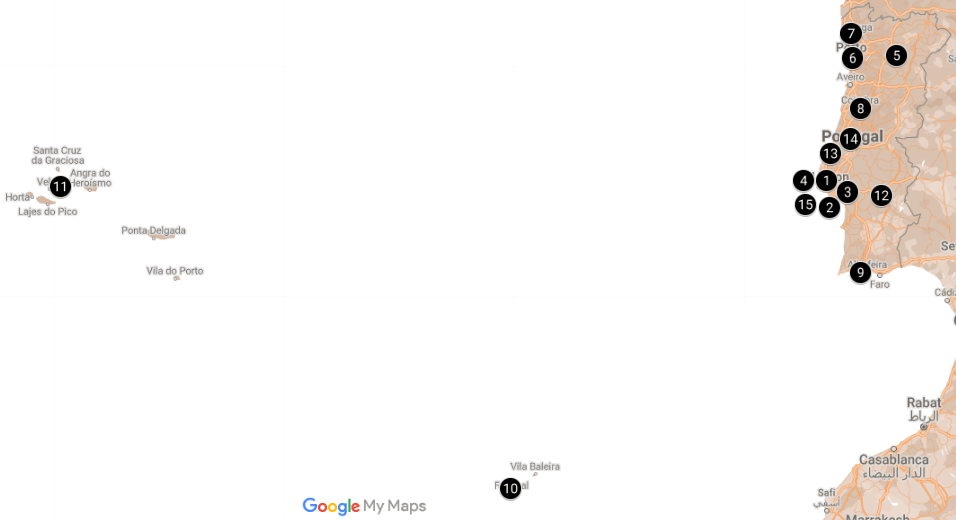
See below for a selection of the top attractions in Portugal, review the map to see where these are located to help plan your trip.
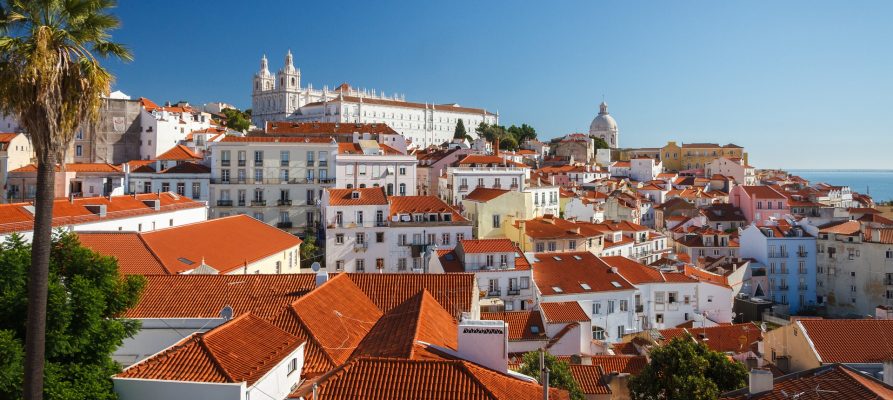
Lisbon’s Alfama District
Lisbon’s Alfama District, the city’s oldest neighbourhood, is a labyrinth of narrow, cobbled streets, historic buildings, and vibrant Fado music. This area offers a unique glimpse into Lisbon’s Moorish past with its charming houses, hidden courtyards, and stunning viewpoints. Explore its alleys to find traditional restaurants and quaint shops.
Access from – Lisbon
Belém Tower
The Belém Tower, a UNESCO World Heritage site, is an iconic symbol of Lisbon’s maritime history. Constructed in the 16th century, this fortress served as both a defence system and a ceremonial gateway. Its unique Manueline architecture and picturesque location on the Tagus River make it a must-visit landmark.
Access from – Lisbon
Jerónimos Monastery
The Jerónimos Monastery, a stunning example of Manueline architecture, is one of Lisbon’s most famous landmarks. Built in the 16th century to honour Vasco da Gama’s voyage, this UNESCO World Heritage site features intricate stone carvings, beautiful cloisters, and an impressive church. It highlights Portugal’s Age of Discovery.
Access from – Lisbon
Sintra’s Pena Palace
Sintra’s Pena Palace, a 19th-century masterpiece, is perched atop the Sintra Mountains. This colourful palace combines Gothic, Renaissance, and Moorish styles, surrounded by lush gardens. Its fairy-tale architecture and vibrant colours offer breath-taking views of the surrounding landscape, making it a captivating and romantic destination.
Access from – Sintra
Douro Valley
The Douro Valley, a UNESCO World Heritage site, is renowned for its stunning landscapes and terraced vineyards. This picturesque region, along the Douro River, is the birthplace of Port wine. Visitors can enjoy scenic river cruises, wine tastings at historic quintas, and explore charming villages, making it a perfect destination for wine enthusiasts and nature lovers.
Access from – Porto
Porto’s Ribeira District
Porto’s Ribeira District, a UNESCO World Heritage site, is a vibrant waterfront area known for its colourful buildings, narrow streets, and lively atmosphere. Located along the Douro River, it’s filled with bustling cafes, restaurants, and bars. Stroll along the riverfront, explore historic landmarks, and enjoy the charming ambiance of this historic district.
Access from – Porto
Livraria Lello
Livraria Lello, located in Porto, is one of the world’s most beautiful bookstores. Opened in 1906, its stunning architecture features a neo-Gothic façade, intricate woodwork, and a grand staircase. The magical atmosphere is said to have inspired J.K. Rowling while writing Harry Potter. It’s a must-visit for book lovers and architecture enthusiasts.
Access from – Porto
Coimbra University
Coimbra University, founded in 1290, is one of the oldest universities in Europe and a UNESCO World Heritage site. This prestigious institution features stunning architecture, including the iconic Joanina Library and the Royal Palace. Its rich history and vibrant academic atmosphere make it a significant cultural and educational landmark in Portugal.
Access from – Coimbra
Algarve’s Beaches
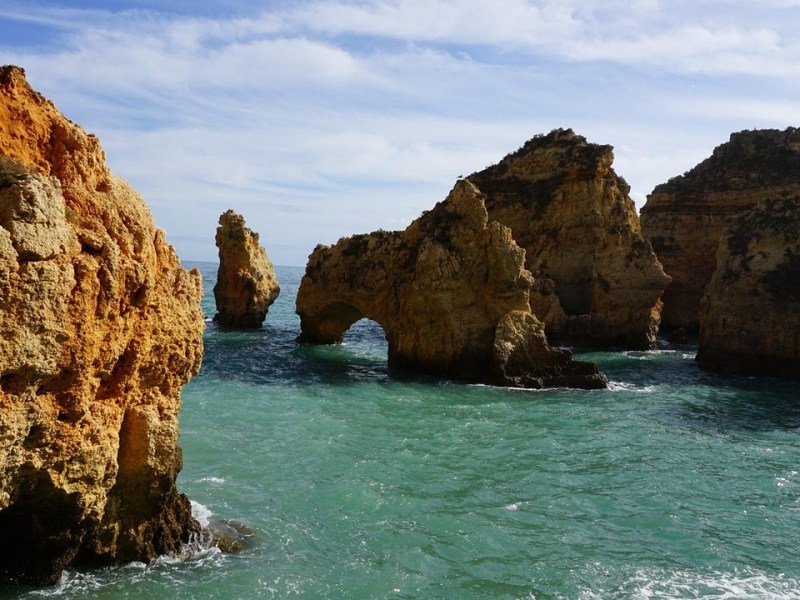
The Algarve’s Beaches are famous for their stunning cliffs, golden sands, and crystal-clear waters. Located in southern Portugal, this region offers a variety of beach experiences, from bustling resorts to secluded coves. Popular spots include Praia da Marinha, Lagos, and Albufeira. The Algarve’s coastline is perfect for sunbathing, swimming, and water sports.
Access from – Algarve
Madeira Island
Madeira Island, known as the “Pearl of the Atlantic,” offers lush landscapes, stunning cliffs, and a mild climate year-round. This Portuguese archipelago is famous for its hiking trails, vibrant gardens, and wine. Explore the Laurisilva Forest, a UNESCO World Heritage site, or relax in the picturesque capital, Funchal, with its charming streets and markets.
Azores Archipelago
The Azores Archipelago, located in the mid-Atlantic, consists of nine volcanic islands known for their dramatic landscapes, hot springs, and marine life. Visitors can enjoy whale watching, hiking through lush greenery, and exploring volcanic craters. Each island offers unique natural beauty, making the Azores a paradise for nature and adventure enthusiasts.
Access from – Ponta Delgada (São Miguel, Azores)
Évora
Évora, a UNESCO World Heritage site, is a historic city in Portugal’s Alentejo region. Known for its well-preserved Roman temple, medieval cathedral, and ancient city walls, Évora offers a journey through time. Wander its charming streets to discover traditional whitewashed houses, picturesque squares, and the intriguing Chapel of Bones.
Óbidos
Óbidos, a picturesque medieval town encircled by ancient walls, is one of Portugal’s most charming destinations. Its narrow, cobblestone streets are lined with whitewashed houses adorned with colourful flowers. Highlights include the well-preserved castle, beautiful churches, and vibrant festivals. Óbidos offers a step back in time and a glimpse of traditional Portuguese life.
Fátima Sanctuary
The Fátima Sanctuary, one of the world’s most important Catholic pilgrimage sites, is located in central Portugal. This sacred site commemorates the 1917 apparitions of the Virgin Mary to three shepherd children. Pilgrims and visitors can explore the Basilica of Our Lady of the Rosary, the Chapel of Apparitions, and participate in religious ceremonies and processions.
Access from – Fatima
Cascais
Cascais, a charming coastal town near Lisbon, is renowned for its stunning beaches, historic centre, and vibrant marina. Once a royal retreat, this picturesque town offers elegant architecture, museums, and a bustling market. Enjoy a stroll along the scenic promenade, explore the Boca do Inferno cliffs, or relax on the beautiful sandy shores.
Map
See map of Portugal to review top attractions. For the best experience save locally to open with google maps/share with your friends to help plan your next adventure! Some locations are hidden behind others, click map to reveal full details:
Transport
Portugal’s key transport routes are well catered for tourists. Lisbon and Porto are connected by a reliable train network, offering scenic journeys. Intercity buses provide extensive coverage, including routes to popular tourist destinations like the Algarve. Domestic flights are available, though less common due to Portugal’s compact size. Taxis are abundant in cities and tourist areas, generally metered and reliable. Ride-hailing apps like Uber operate in major cities, providing additional convenience and transparency in pricing. Overall, Portugal’s transport infrastructure supports efficient travel between cities, coastal regions, and rural areas, making it convenient for tourists to explore the country.
Budget
Traveling in Portugal varies; budget travellers spend $40-$60 per day on hostels and local food; mid-range travellers budget $80-$120 per day for hotels and dining out; luxury travellers may spend $200+ daily on upscale accommodations, fine dining, and exclusive experiences. Costs are generally lower compared to many other Western European countries.
Seasonality and Weather
Portugal enjoys a Mediterranean climate with regional variations. Coastal areas like Lisbon and Porto have mild winters (5–15°C / 41–59°F) and hot summers (25–35°C / 77–95°F), tempered by Atlantic breezes. Inland regions, such as the Alentejo, experience hotter summers and colder winters. The best time to visit is from April to June or September to October when temperatures are pleasant (15–25°C / 59–77°F), ideal for exploring cities, beaches, and vineyards. July and August are peak tourist months with higher temperatures and more crowds, particularly along the coast. Spring and autumn offer comfortable weather for sightseeing and outdoor activities.
Must Try Dishes



Language
The main language spoken is Portuguese . Below are some key phrases (phonetic translation) to get you started. A big smile and a few words can get you a long way!






 WindingTravel
.jpg)