
Your Complete Guide to Exploring the Best of France
France, a country of timeless elegance and rich culture, captivates with its iconic landmarks, exquisite cuisine, and artistic heritage. From the romantic streets of Paris to the sun-kissed vineyards of Bordeaux, France offers a blend of tradition and modernity. Explore historic châteaux, savour gourmet dishes, and experience lively festivals. The country’s picturesque countryside, stunning coastlines, and world-renowned museums make it a top destination for travellers. France’s unique charm ensures an unforgettable travel experience.
When to visit
Temp Range
Currency
Min Budget


Apr – Jun
Sep – Oct
5 – 30°C
41 – 86°F
Euro (EUR)
$60-80/day
Top Attractions
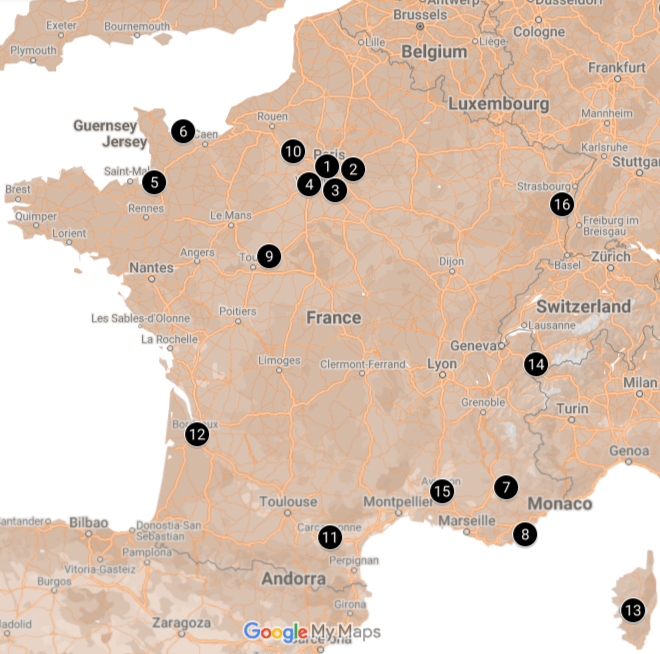
See below for a selection of the top attractions in France, review the map to see where these are located to help plan your trip.
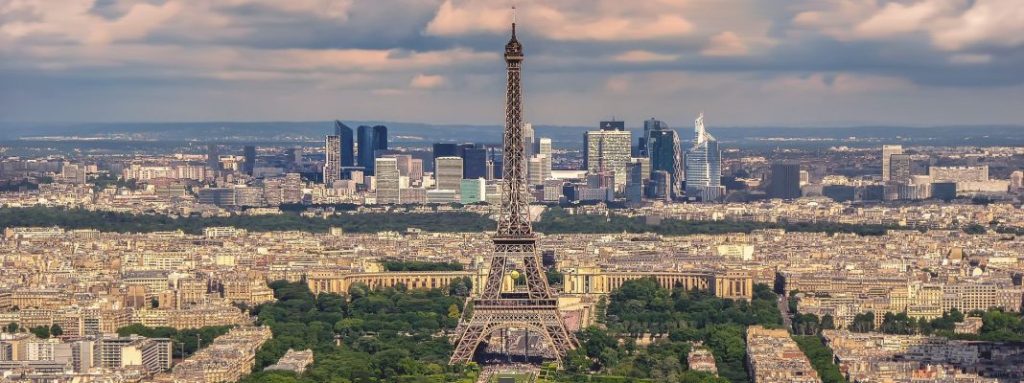
Eiffel Tower
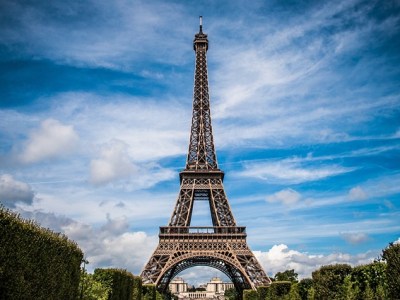
The Eiffel Tower is an iconic symbol of Paris, standing 324 meters tall. Visitors can ascend to its viewing platforms for breath-taking panoramic views of the city. The tower, illuminated at night, offers dining options and exhibits on its history. It remains a must-visit landmark, representing Parisian elegance and engineering marvel.
Access from – Paris
Louvre Museum
The Louvre Museum in Paris, the world’s largest art museum, houses over 35,000 works, including the Mona Lisa and Venus de Milo. Visitors can explore its vast galleries spanning ancient civilizations to modern art. The museum, with its iconic glass pyramid entrance, offers an unparalleled cultural experience, reflecting humanity’s artistic achievements.
Access from – Paris
Notre Dame Cathedral
Notre Dame Cathedral is a masterpiece of Gothic architecture located on Île de la Cité in Paris. Known for its stunning façade, rose windows, and flying buttresses, the cathedral has witnessed centuries of history. Visitors can explore its grand interiors, climb the towers for city views, and appreciate its architectural and spiritual significance.
Access from – Paris
Versailles Palace & Gardens
The Palace of Versailles, a UNESCO World Heritage site, showcases the opulence of French royalty with its lavish rooms, Hall of Mirrors, and grand apartments. Visitors can wander through the expansive gardens, adorned with fountains and sculptures, and explore the Trianon palaces. Versailles represents the pinnacle of French Baroque architecture and royal history.
Access from – Versailles
Mont Saint-Michel
Mont Saint-Michel is a medieval abbey perched on a rocky island off the Normandy coast. Accessible by a causeway, it features narrow winding streets, ancient buildings, and the stunning Abbey of Saint-Michel. Visitors can explore its historic architecture, enjoy panoramic views of the surrounding bay, and experience the island’s unique charm and spiritual ambiance.
Normandy D-Day Beaches
The Normandy D-Day Beaches are historic sites where Allied forces landed on June 6, 1944, during World War II. Visitors can explore Omaha, Utah, Juno, Gold, and Sword Beaches, visit memorials and museums, and pay respects at military cemeteries. These beaches offer a profound glimpse into the events of D-Day and the sacrifices made for liberation.
Access from – Caen, Bayeux
Provence
Provence is a picturesque region in south-eastern France known for its rolling lavender fields, charming villages, and Mediterranean coastline. Visitors can explore historic cities like Avignon and Aix-en-Provence, sample local wines and cuisine, and enjoy the natural beauty of the Luberon and Verdon Gorge. Provence offers a blend of cultural richness and scenic landscapes.
Access from – Aix-en-Provence, Avignon
French Riviera (Côte d’Azur)
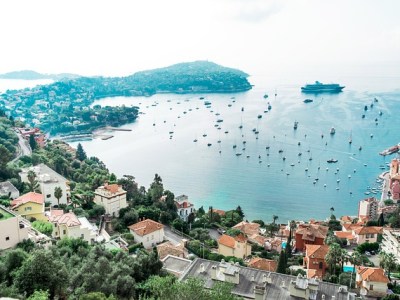
The French Riviera beckons with its glamorous beaches, upscale resorts like Cannes and Saint-Tropez, and cultural hubs offering a blend of relaxation and artistry. It’s a playground for the rich and famous, combining Mediterranean allure with a vibrant social scene and artistic inspiration.
Access from – Nice, Cannes, Monaco
Loire Valley Châteaux
The Loire Valley is renowned for its stunning châteaux, including Château de Chambord, Château de Chenonceau, and Château de Villandry. Visitors can explore these grand estates, with their exquisite architecture, lush gardens, and historical significance. The region, a UNESCO World Heritage site, is also famous for its vineyards and scenic river landscapes.
Access from – Amboise
Giverny
Giverny is a charming village in Normandy, best known as the home of impressionist painter Claude Monet. Visitors can tour Monet’s house and gardens, which inspired his famous Water Lilies series, and explore the vibrant flower gardens and Japanese bridge. The nearby Musée des Impressionnismes offers further insights into the artistic movement inspired by Giverny’s beauty.
Carcassonne
Carcassonne is a fortified medieval city in southern France, renowned for its well-preserved walls and fairy-tale ambiance. Visitors can walk along the ancient ramparts, explore the Château Comtal, and discover the narrow, cobbled streets filled with shops and cafes. The Cité de Carcassonne offers a captivating journey back in time, showcasing impressive Gothic and Romanesque architecture.
Bordeaux Wine Region
The Bordeaux Wine Region is world-famous for its vineyards and exceptional wines, particularly reds like Cabernet Sauvignon and Merlot. Visitors can tour prestigious châteaux, participate in wine tastings, and learn about viticulture. The region’s picturesque landscape, historic wine estates, and vibrant city of Bordeaux make it a must-visit for wine enthusiasts and cultural explorers.
Corsica
Corsica, a Mediterranean island, offers a stunning blend of rugged mountains, pristine beaches, and charming villages. Known as the birthplace of Napoleon Bonaparte, it boasts diverse landscapes perfect for hiking, water sports, and exploring historical sites like the Genoese towers. Corsica’s unique blend of French and Italian influences creates a rich cultural and culinary experience.
Chamonix-Mont-Blanc
Chamonix-Mont-Blanc is a renowned alpine resort town nestled at the foot of Mont Blanc, the highest peak in Western Europe. It’s a paradise for outdoor enthusiasts, offering world-class skiing, mountaineering, and hiking. Visitors can take the Aiguille du Midi cable car for breath-taking views, explore charming alpine villages, and enjoy year-round adventure in the French Alps.
Access from – Chamonix
Avignon
Avignon, located in Provence, is famed for its historic centre, including the impressive Palais des Papes, a fortress and former papal residence. Visitors can explore the medieval bridge Pont Saint-Bénézet, wander through cobbled streets, and enjoy the vibrant arts scene, especially during the annual Avignon Theatre Festival. The city’s rich history and architecture make it a cultural gem.
Alsace
Alsace is a picturesque region in north-eastern France, renowned for its charming half-timbered houses, scenic vineyards, and rich cultural heritage. Visitors can explore quaint villages like Colmar and Strasbourg, sample exquisite wines along the Alsace Wine Route, and enjoy the region’s unique blend of French and German influences. Alsace offers a captivating experience with its medieval architecture, festive markets, and culinary delights, making it a must-visit destination.
Map
See map of France to review top attractions. For the best experience save locally to open with google maps/share with your friends to help plan your next adventure! Some locations are hidden behind others, click map to reveal full details:
Transport
France boasts a well-developed transport network. The high-speed trains connect major cities like Paris, Lyon, Marseille, and Bordeaux swiftly and comfortably. Regional trains offer access to charming towns and scenic landscapes. Efficient public buses and trams serve urban areas, while rental cars are popular for exploring rural regions and vineyards. For scenic journeys, consider the iconic Route des Vins in Alsace or driving along the Mediterranean coast. Air travel connects major cities and international airports, providing convenience for longer distances. France’s diverse transport options ensure accessibility and ease for travellers exploring its rich cultural and natural treasures.
Budget
Traveling in France typically requires a moderate to high budget. Plan on spending approximately $120-$160 per day for mid-range accommodations, meals, and local transportation. Budget travellers might manage with $60-$80 per day using hostels and affordable dining options, while luxury travellers may spend $250+ per day for upscale experiences.
Seasonality and Weather
France experiences a diverse climate, with typical temperatures varying across regions. In Paris, the average high ranges from 5°C, 41°F in January to 25°C, 77°F in July. The south, including Nice, enjoys a Mediterranean climate with mild winters (10°C, 50°F) and hot summers (30°C, 86°F). The Atlantic coast, like Bordeaux, has moderate temperatures, while the eastern regions and Alps have colder winters, often below freezing, and warm summers. The best time to visit is spring (April to June) and autumn (September to October) when the weather is pleasant, crowds are fewer, and the countryside is vibrant with blossoms or autumn colours.
Must Try Dishes



Language
The main language spoken is French. Below are some key phrases (phonetic translation) to get you started. A big smile and a few words can get you a long way!

Top Cities in France
Nearby Destinations

Useful Pages


Image Attributions
| Image | Author, Licence |
| Coq au vin | Geoff Peters from Vancouver, BC, Canada, CC BY 2.0, via Wikimedia Commons |
 WindingTravel
