

Your Complete Guide to Exploring the Best of South Korea
South Korea, a country of rich history and cutting-edge technology, captivates with its vibrant cities, traditional culture, and delicious cuisine. From the bustling streets of Seoul to the serene temples of Gyeongju, South Korea offers a blend of ancient traditions and modern innovation. Explore historic palaces, savour Korean BBQ and kimchi, and experience lively festivals. The country’s picturesque landscapes, from scenic coastlines to mountainous national parks, provide endless opportunities for adventure and relaxation. South Korea’s unique charm ensures an unforgettable travel experience.
When to visit
Temp Range
Currency
Min Budget


Mar – May
Sep – Nov
10 – 30°C
50 – 86°F
South Korean Won (KRW)
$40-60/day
Top Attractions
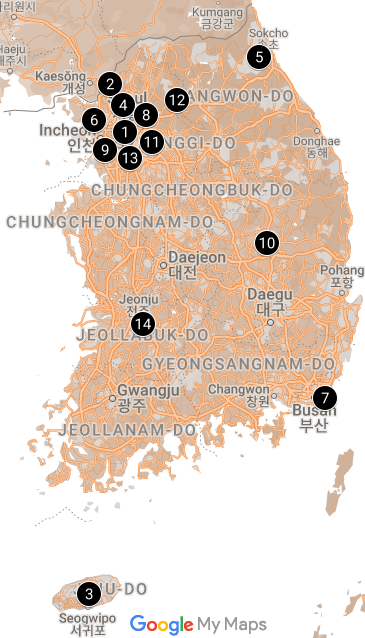
See below for a selection of the top attractions in South Korea, review the map to see where these are located to help plan your trip.
Gyeongbokgung Palace
Explore Gyeongbokgung Palace, Seoul’s largest royal palace, built in 1395. Admire its stunning architecture, serene gardens, and the National Palace Museum. Witness the Changing of the Guard ceremony, immersing yourself in Korea’s rich history and culture at this iconic landmark, a symbol of the Joseon Dynasty’s grandeur and heritage.
Access from – Seoul
DMZ (Demilitarized Zone)
Visit the DMZ, the buffer zone between North and South Korea. Explore key sites like the Joint Security Area, Infiltration Tunnels, and Dora Observatory. This unique experience offers insight into the Korean conflict, hopes for reunification, and a rare glimpse into one of the world’s most heavily guarded borders.
Access from – Paju
Jeju Island
Discover Jeju Island, South Korea’s premier vacation destination, known for volcanic landscapes, beautiful beaches, and unique culture. Hike Hallasan Mountain, visit Seongsan Ilchulbong Peak, and enjoy the island’s natural beauty. Experience traditional villages, delicious cuisine, and UNESCO World Heritage sites on this enchanting and diverse island.
Access from – Jeju City
N Seoul Tower
Ascend N Seoul Tower on Namsan Mountain for panoramic views of Seoul. Enjoy the observation deck, romantic love locks, and fine dining at the revolving restaurant. This iconic landmark combines scenic beauty and vibrant urban life, making it a must-visit destination in South Korea’s bustling capital city.
Access from – Seoul
Seoraksan National Park
Explore Seoraksan National Park, renowned for its stunning mountain scenery, diverse flora and fauna, and dramatic rock formations. Hike to the Ulsanbawi Rock, visit the ancient Sinheungsa Temple, and soak in the breath-taking views from the cable car. This park offers nature lovers a perfect blend of adventure and tranquillity.
Access from – Sokcho
Bukchon Hanok Village
Wander through Bukchon Hanok Village, a historic area in Seoul featuring traditional Korean houses (hanoks). Explore the narrow alleys, visit cultural centres, and enjoy the picturesque views of Seoul’s skyline. This charming village offers a glimpse into Korea’s rich heritage and provides a serene escape from the bustling city.
Access from – Seoul
Haeundae Beach
Relax on Haeundae Beach, Busan’s most famous beach known for its wide sandy shore and clear blue waters. Enjoy sunbathing, swimming, and various water sports. The surrounding area offers vibrant nightlife, delicious seafood, and cultural attractions like the Busan Aquarium, making it a perfect destination for leisure and entertainment.
Access from – Busan
Gwangjang Market
Experience the vibrant atmosphere of Gwangjang Market, one of Seoul’s oldest traditional markets. Savor a variety of Korean street foods, such as bindaetteok (mung bean pancakes) and tteokbokki (spicy rice cakes). Explore stalls selling textiles, vintage clothing, and handmade crafts, offering a delightful blend of culinary and shopping adventures.
Access from – Seoul
Changdeokgung Palace and Secret Garden
Explore Changdeokgung Palace, a UNESCO World Heritage site in Seoul known for its beautiful architecture and tranquil Secret Garden. Wander through ornate pavilions, ponds, and landscaped gardens that reflect Korean royal aesthetics. This historic palace offers a serene escape and a deep dive into Korea’s Joseon Dynasty heritage.
Access from – Seoul
Andong Hahoe Folk Village
Visit Andong Hahoe Folk Village, a UNESCO World Heritage site preserving Korea’s traditional culture. Wander through well-preserved thatched-roof houses, experience folk performances, and explore scenic landscapes along the Nakdong River. This village offers an authentic glimpse into Joseon-era life and Korea’s rich cultural heritage.
Access from – Andong
Lotte World
Enjoy Lotte World, Seoul’s premier amusement park featuring thrilling rides, an indoor ice rink, and the world’s largest indoor theme park. Explore Magic Island, outdoor attractions, and themed zones. With parades, performances, and a variety of entertainment options, it’s a perfect destination for family fun and adventure.
Access from – Seoul
Nami Island
Discover Nami Island, a picturesque half-moon-shaped island known for its beautiful tree-lined paths and seasonal foliage. Enjoy leisurely bike rides, visit art installations, and explore quaint cafes. Famous as the filming location for “Winter Sonata,” Nami Island offers a peaceful retreat and romantic scenery year-round.
Access from – Chuncheon
Hwaseong Fortress
Explore Hwaseong Fortress in Suwon, a UNESCO World Heritage site showcasing impressive military architecture from the Joseon Dynasty. Walk along the well-preserved walls, visit the imposing gates, and enjoy panoramic views of Suwon city. This historic fortress offers a glimpse into Korea’s defensive ingenuity and rich cultural heritage.
Access from – Suwon
Jeonju Hanok Village
Wander through Jeonju Hanok Village, home to over 800 traditional Korean hanok houses. Experience traditional tea ceremonies, savour Jeonju’s famous bibimbap, and explore cultural attractions like the Jeonju Hanji Museum. This charming village provides an immersive experience of Korea’s traditional lifestyle and vibrant cultural history.
Access from – Jeonju
Map
See map of South Korea to review top attractions. For the best experience save locally to open with google maps/share with your friends to help plan your next adventure! Some locations are hidden behind others, click map to reveal full details:
Transport
In South Korea, key transport routes include an extensive network of intercity buses connecting major cities and tourist destinations. Trains, including high-speed options, offer efficient travel between cities like Seoul, Busan, and Gyeongju. Within cities, buses and subways are primary modes of local transport, providing extensive and affordable coverage. Domestic flights are available but less commonly used due to the efficiency of the train network. Taxis are widely available in urban areas, and ride-hailing apps such as Kakao T, Uber and Tada are popular, offering convenience and transparent pricing. It’s recommended to use apps for ease and safety, especially during night-time or in unfamiliar areas.
Budget
Traveling in South Korea varies; budget travellers spend $40-$60 per day on hostels and local food; mid-range travellers budget $80-$120 for hotels and dining out; luxury travellers may spend $300+ daily on upscale accommodations, fine dining, and exclusive experiences. Costs can be higher in Seoul and during peak seasons like cherry blossom and autumn foliage times.
Seasonality and Weather
South Korea experiences a temperate climate with four distinct seasons. In spring (March to May), temperatures range from 5–20°C (41–68°F), with cherry blossoms blooming across the country. Summer (June to August) sees temperatures of 20–30°C (68–86°F), accompanied by humidity and occasional monsoon rains. Autumn (September to November) is mild with temperatures of 10–25°C (50–77°F) and beautiful foliage. Winter (December to February) is cold with temperatures ranging from -10 to 5°C (14 to 41°F), with snowfall in some regions. The best times to visit are spring and autumn when temperatures are pleasant, and nature displays vibrant colours, making it ideal for outdoor activities and cultural experiences.
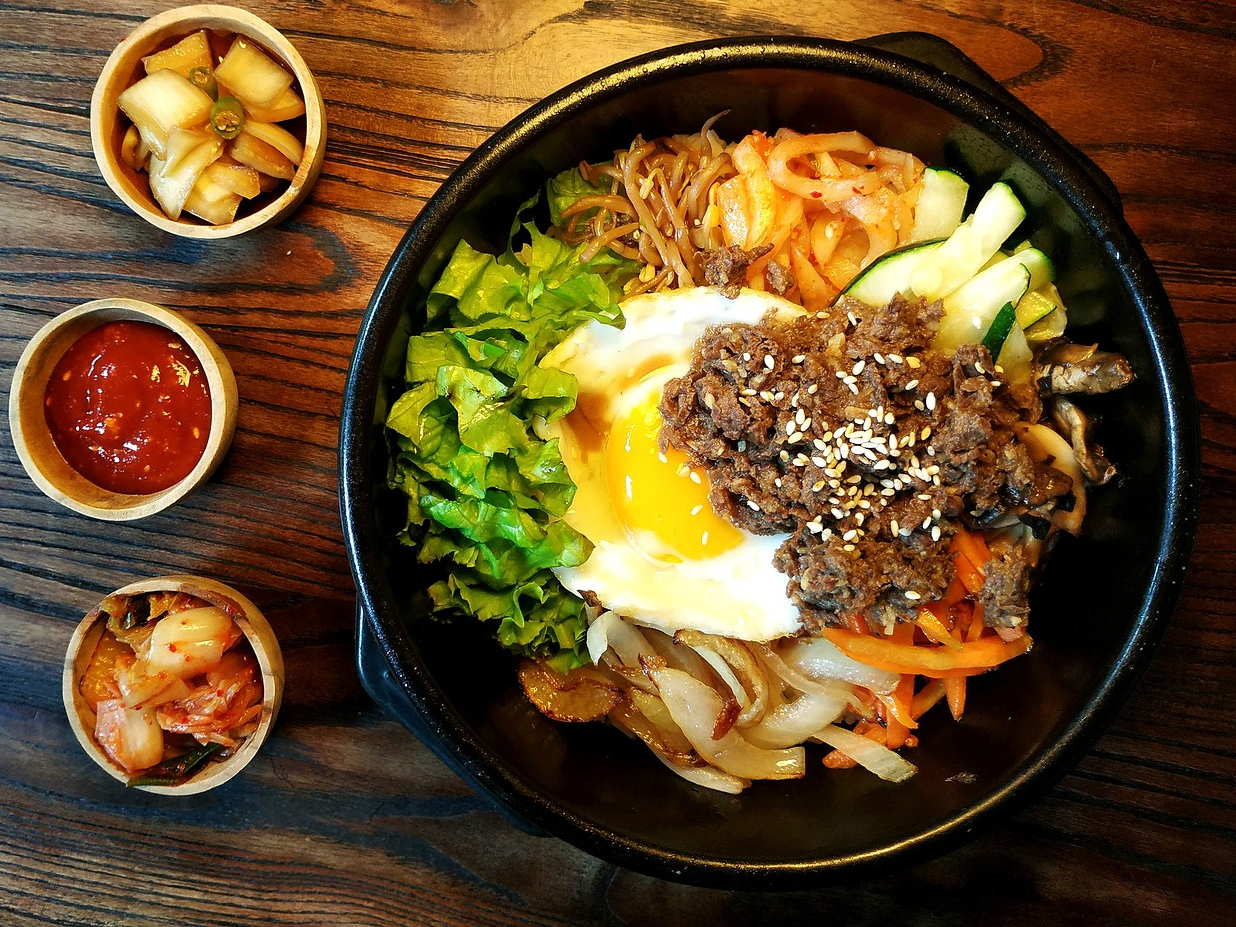
Must Try Dishes


Language
The main language spoken is Korean. Below are some key phrases (phonetic translation) to get you started. A big smile and a few words can get you a long way!

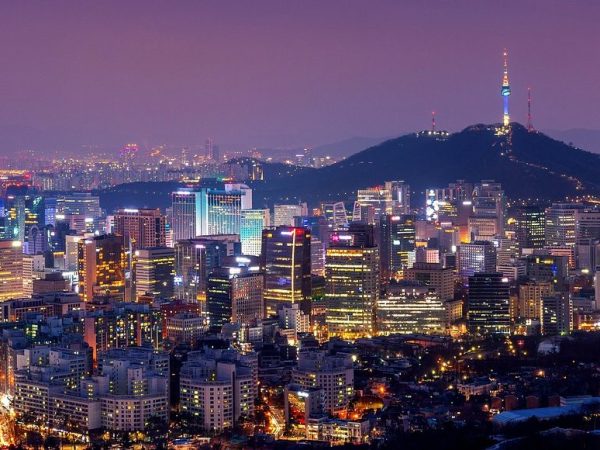
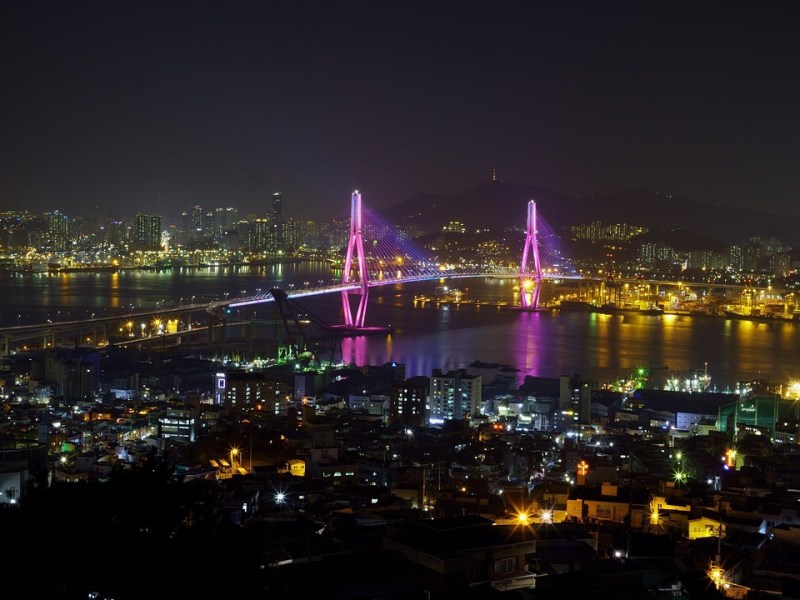
Top Cities in South Korea
Nearby Destinations

Useful Pages


Image Attributions
| Image | Author | Link |
| Bulgogi | Chloe Lim | Chloe Lim from Seoul, South Korea, CC BY 2.0, via Wikimedia Commons |
 WindingTravel
.jpg)