

Your Complete Guide to Exploring the Best of India
India, a land of diverse cultures and rich history, captivates with its vibrant cities, stunning landscapes, and flavourful cuisine. From the majestic Taj Mahal in Agra to the serene backwaters of Kerala, India offers a blend of ancient traditions and modern vibrancy. Explore historic forts, savour spicy curries and sweets, and experience colourful festivals. The country’s bustling markets, serene temples, and diverse geography make it a top destination for travellers seeking both adventure and spirituality. India’s unique charm ensures an unforgettable travel experience.
When to visit
Temp Range
Currency
Min Budget


Oct – Mar
10 – 40°C
50 – 104°F
Indian Rupee (INR)
$15-25/day
Top Attractions
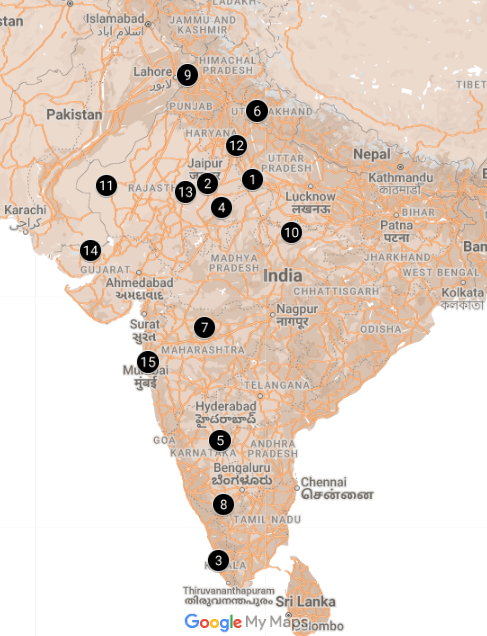
See below for a selection of the top attractions in India, review the map to see where these are located to help plan your trip.
Taj Mahal
The Taj Mahal in Agra, India, is a testament to eternal love, built by Emperor Shah Jahan in memory of his beloved wife Mumtaz Mahal. This iconic white marble mausoleum is renowned for its intricate craftsmanship, symmetrical gardens, and reflecting pools, making it one of the most recognizable landmarks in the world.
Access from – Agra
Jaipur’s Amer Fort
Amer Fort, perched atop a hill in Jaipur, Rajasthan, is a magnificent example of Rajput architecture. Built in the 16th century, it features stunning palaces, intricately carved marble and sandstone structures, and expansive courtyards with sweeping views of the surrounding landscape, including the picturesque Maota Lake.
Access from – Jaipur
Kerala Backwaters Houseboat Cruise
Kerala’s backwaters offer a unique experience aboard traditional houseboats known as “kettuvallams.” Navigating through interconnected lakes, canals, and lagoons, visitors can immerse themselves in the serene beauty of palm-fringed shores, verdant paddy fields, and quaint villages. It’s an opportunity to relax, unwind, and savour Kerala’s tranquil rural life and delicious local cuisine served onboard.
Access from – Alleppey or Kumarakom
Ranthambore National Park Safari
Ranthambore National Park, located in Rajasthan, is a premier wildlife sanctuary and tiger reserve. Embarking on safari adventures here offers thrilling encounters with Bengal tigers, leopards, and a diverse array of wildlife amid rugged terrain, ancient banyan trees, and the dramatic backdrop of Ranthambore Fort’s historic ruins.
Access from – Sawai Madhopur
Hampi’s Ancient Ruins
Hampi, Karnataka, is a treasure trove of ancient ruins dating back to the Vijayanagara Empire. This UNESCO World Heritage site boasts mesmerizing temples, majestic palaces, and impressive monuments nestled amidst surreal landscapes dotted with gigantic boulders. Exploring Hampi reveals its rich history, architectural marvels, and vibrant cultural heritage.
Access from – Hampi
Rishikesh Yoga and Meditation Retreats
Rishikesh, nestled in the serene Himalayan foothills, is globally renowned as the Yoga Capital. It offers spiritual seekers tranquil retreats along the sacred Ganges River, fostering deep connections through yoga, meditation, and holistic wellness practices amidst breath-taking natural scenery and ashrams dedicated to spiritual growth and rejuvenation.
Access from – Rishikesh
Ajanta and Ellora Caves
The Ajanta and Ellora Caves, located in Maharashtra, are mesmerizing UNESCO World Heritage sites renowned for their ancient rock-cut temples and monasteries. Dating back to the 2nd century BCE, these caves showcase extraordinary sculptures, intricate carvings, and vibrant frescoes that depict the cultural and religious diversity of ancient India, particularly Buddhism, Hinduism, and Jainism.
Access from – Maharashtra
Mysore Palace
Mysore Palace, a splendid architectural gem in Karnataka, exemplifies the opulence of Indo-Saracenic design. Once the royal residence of the Wadiyar dynasty, it features stunning interiors, expansive courtyards, and the majestic Durbar Hall adorned with intricate carvings and ornate chandeliers. The palace offers a glimpse into India’s royal heritage and cultural richness.
Access from – Mysore
Golden Temple
The Golden Temple, also known as Harmandir Sahib, is the spiritual heart of Sikhism located in Amritsar, Punjab. Its breath-taking golden dome and serene Amrit Sarovar attract pilgrims worldwide. The temple’s peaceful ambiance, community kitchen (Langar), and religious ceremonies uphold Sikh principles of equality, compassion, and service to humanity, making it a revered pilgrimage destination.
Access from – Amritsar
Khajuraho Temples
Khajuraho, located in Madhya Pradesh, is renowned for its group of stunning medieval Hindu and Jain temples. These UNESCO World Heritage sites feature intricate erotic sculptures and exquisite architectural detail, showcasing India’s rich cultural heritage and artistic achievements from the Chandela dynasty.
Access from – Khajuraho
Jaisalmer Fort and Thar Desert
Jaisalmer, nestled in Rajasthan’s heart, boasts the majestic Jaisalmer Fort, a UNESCO World Heritage site. Rising from the golden sands of the Thar Desert, this fort impresses with its intricate Rajput architecture, intricate sandstone carvings, and panoramic views of the arid landscape, offering a glimpse into Rajasthan’s royal history.
Access from – Jaisalmer
Red Fort
The Red Fort, a masterpiece of Mughal architecture in Delhi, stands as a symbol of India’s rich history and cultural heritage. Built by Emperor Shah Jahan in the 17th century, its imposing red sandstone walls enclose palaces, halls adorned with marble, and lush gardens, reflecting grandeur and Mughal architectural brilliance.
Access from – Delhi
Hawa Mahal
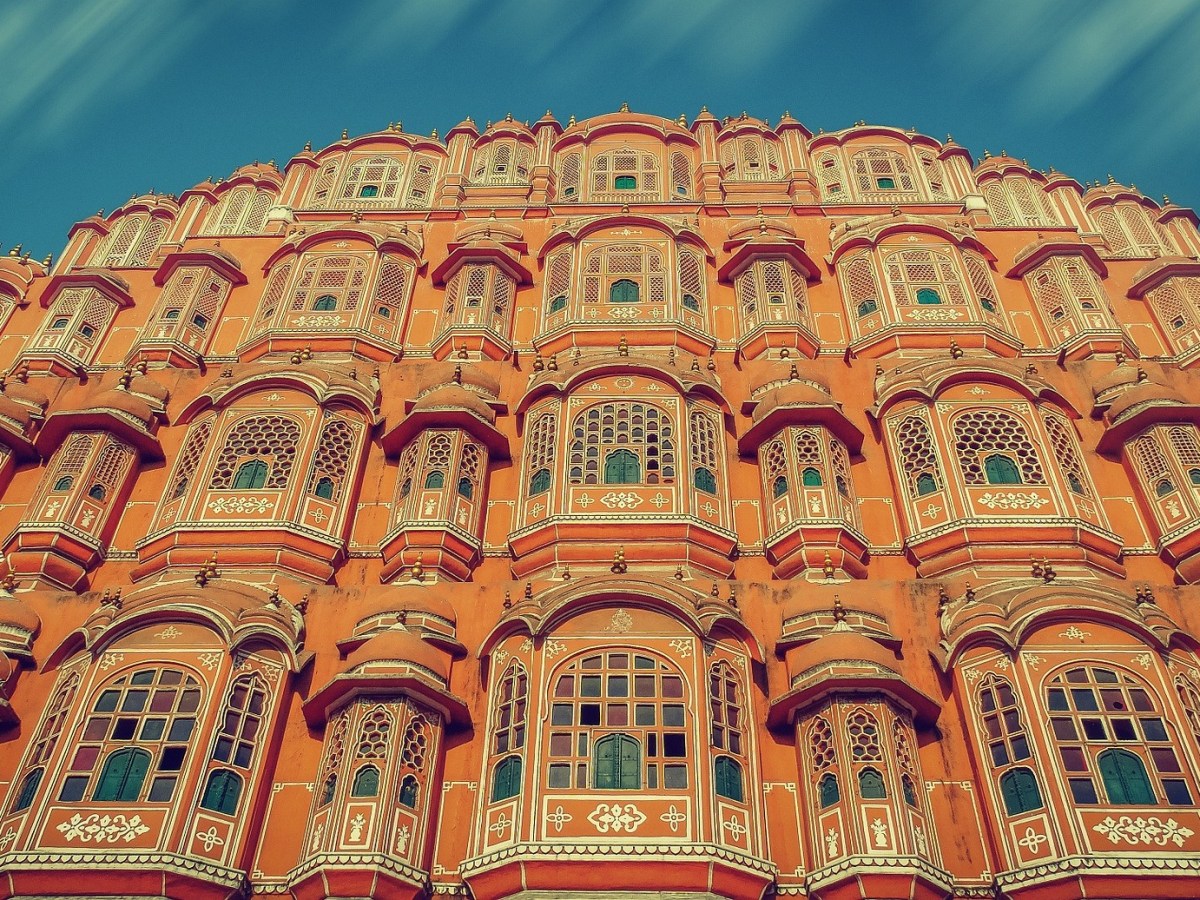
Hawa Mahal, or the Palace of Winds, is an architectural marvel in Jaipur, Rajasthan. Built in 1799 by Maharaja Sawai Pratap Singh, it features a distinctive five-story façade with intricately latticed windows that resemble a honeycomb. This iconic landmark symbolizes Rajputana architecture’s elegance and served as a vantage point for royal women to observe street life.
Access from – Jaipur
Rann of Kutch
The Rann of Kutch, located in Gujarat, India, is a vast salt marsh renowned for its surreal white desert landscape. During the winter months, it hosts the Rann Utsav, a vibrant cultural festival where visitors can witness folk music, dance performances, and explore the unique ecosystem of this expansive salt desert.
Access from – Bhuj, Gujarat
Elephanta Caves
The Elephanta Caves, situated on Elephanta Island in Mumbai Harbour, house ancient rock-cut temples dedicated to Lord Shiva. These UNESCO World Heritage sites feature intricate sculptures, mythological reliefs, and cave architecture dating back to the 5th century. The caves are renowned for their artistic significance and spiritual ambiance, attracting history enthusiasts and pilgrims alike.
Access from – Mumbai
Map
See map of India to review top attractions. For the best experience save locally to open with google maps/share with your friends to help plan your next adventure! Some locations are hidden behind others, click map to reveal full details:
Transport
In India, key transport routes include an extensive network of intercity buses and trains, offering affordable and scenic travel options between cities. Within cities, buses, metros, and trams (in Kolkata) provide comprehensive local transport. Domestic flights are available for faster travel between major cities and tourist destinations. Taxis and tuk-tuks are prevalent for shorter distances, and ride-hailing apps like Ola and Uber are widely used for convenience and reliable service. These apps offer transparent pricing and easy access to transportation, making travel within and between Indian cities straightforward and budget-friendly.
Budget
Traveling in India varies; budget travellers spend $15-$25 per day on hostels and street food; mid-range travellers budget $30-$50 for hotels and dining out; luxury travellers may spend $200+ daily on upscale accommodations and fine dining. Costs are generally lower in rural areas compared to major cities.
Seasonality and Weather
India’s weather varies greatly across its vast regions. In the north, summers (March to June) can reach up to 45°C (113°F), while winters (December to February) drop to around 5°C (41°F) or lower, especially in the Himalayas. The central and western parts experience hot, dry summers and mild winters, with temperatures ranging from 10°C to 30°C (50–86°F) in winter and 25°C to 45°C (77–113°F) in summer. The south enjoys a tropical climate with temperatures from 20°C to 35°C (68–95°F) year-round. The best time to visit is during the cooler, dry season from October to March, avoiding the intense heat and monsoon rains from June to September.
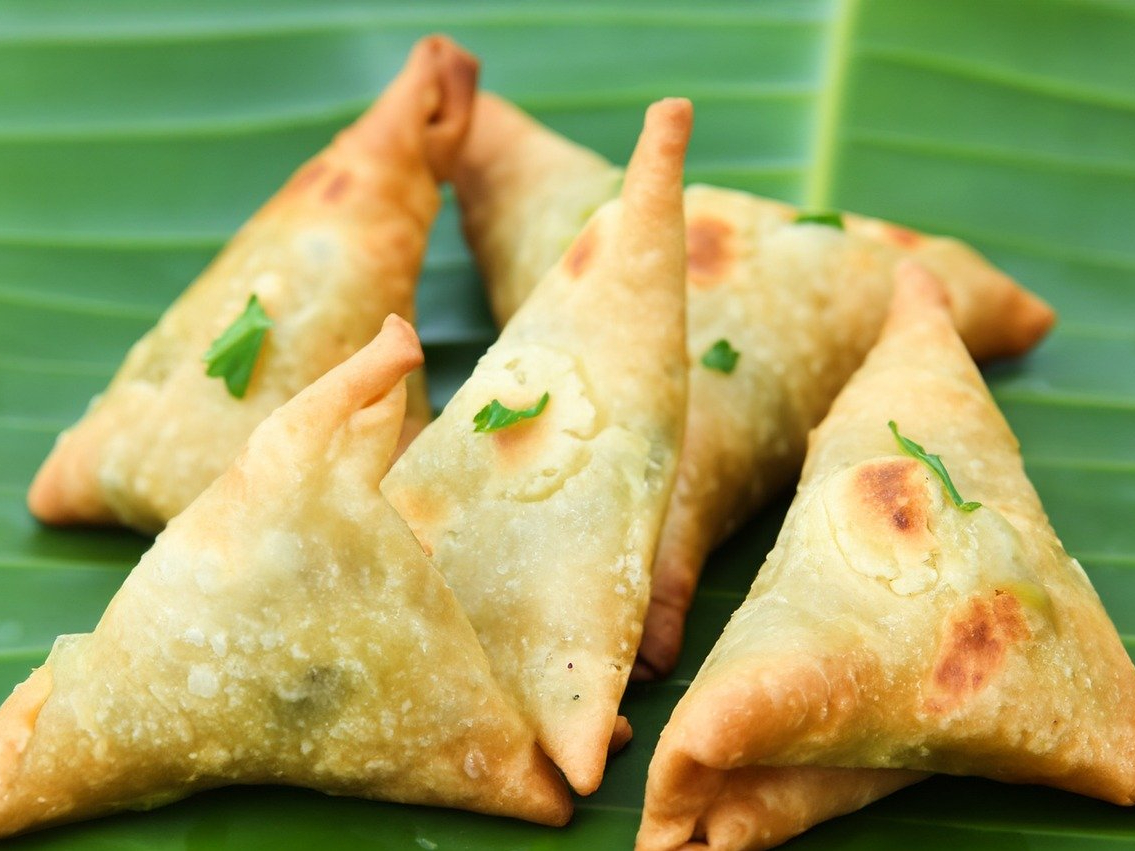
Must Try Dishes


Language
The main languages spoken are Hindi and English. Below are some key phrases in Hindi (phonetic translation) to get you started. A big smile and a few words can get you a long way!





 WindingTravel
