

Your Complete Guide to Exploring the Best of China
China, a land of ancient civilization and modern innovation, captivates with its historic landmarks, bustling cities, and rich cultural heritage. From the iconic Great Wall to the futuristic skyline of Shanghai, China offers a blend of tradition and modernity. Explore ancient temples, savour flavourful cuisine, and experience vibrant festivals. The country’s diverse landscapes, from tranquil rice terraces to bustling metropolises, provide endless opportunities for discovery. China’s deep-rooted traditions and rapid development make it a fascinating destination for travellers.
When to visit
Temp Range
Currency
Min Budget


Apr – May
Sep – Oct
-10 – 35°C
14 – 95°F
Chinese Yuan Renminbi (CNY)
$30-40/day
Top Attractions
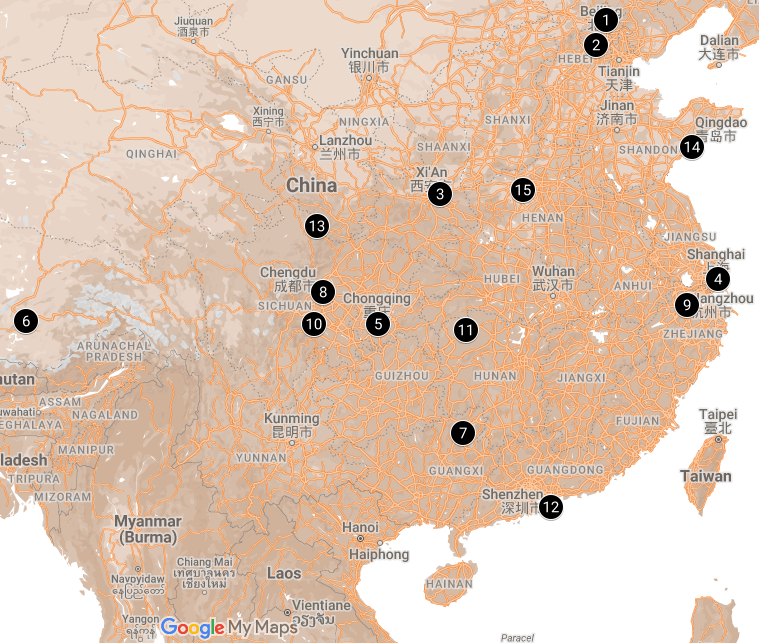
See below for a selection of the top attractions in China, review the map to see where these are located to help plan your trip.
Great Wall of China
The Great Wall of China is an ancient fortification stretching over 13,000 miles, built to protect against invasions. Visitors can explore sections like Badaling and Mutianyu near Beijing, marvel at its engineering and historical significance, and enjoy panoramic views of the surrounding landscapes. The wall offers a glimpse into China’s rich cultural heritage and military prowess.
Access from – Beijing
Forbidden City
The Forbidden City, located in the heart of Beijing, was the imperial palace of Chinese emperors for over 500 years. Visitors can explore its intricate architecture, imperial gardens, and vast courtyards, reflecting traditional Chinese culture and history. The palace complex houses the Palace Museum, showcasing artefacts and treasures from China’s dynastic past.
Access from – Beijing
Terracotta Army
The Terracotta Army, near Xi’an, is a vast collection of life-sized clay soldiers and horses buried with China’s first emperor, Qin Shi Huang. Visitors can view the meticulously crafted statues in battle formation, explore the archaeological site’s pits and museums, and learn about ancient Chinese military practices and funerary customs.
Access from – Xi’an
The Bund
The Bund, in Shanghai, is a historic waterfront area along the Huangpu River, known for its colonial-era buildings and skyline views. Visitors can stroll along the promenade, admire architectural landmarks like the Peace Hotel and Customs House, and enjoy river cruises offering panoramic vistas of Shanghai’s modern and traditional juxtapositions.
Access from – Shanghai
Yangtze River Cruise
A Yangtze River cruise offers a scenic journey through China’s heartland, passing through the Three Gorges region. Visitors can explore ancient villages, witness dramatic landscapes like Qutang Gorge and Shennong Stream, and visit attractions such as the Three Gorges Dam. The cruise provides insights into China’s natural beauty, cultural heritage, and modern engineering feats along its longest river.
Access from – Chongqing, Yichang
Potala Palace
The Potala Palace in Lhasa, Tibet, is a UNESCO World Heritage site and former residence of the Dalai Lama. Its towering red-and-white fortress-like structure houses intricate Tibetan Buddhist murals, statues, and relics. Visitors can explore its chapels, meditation halls, and panoramic views of the city, experiencing Tibetan culture and spiritual significance.
Access from – Lhasa (Tibet)
Li River Cruise
A Li River cruise from Guilin to Yangshuo offers breath-taking views of limestone karst formations, mist-covered peaks, and traditional riverside villages. Visitors can relax on a leisurely boat ride, passing iconic landmarks like Elephant Trunk Hill and enjoying the scenery immortalized in traditional Chinese paintings.
Access from – Guilin
Panda Research Base
The Chengdu Research Base of Giant Panda Breeding in Sichuan Province is a conservation and research centre dedicated to China’s iconic giant pandas. Visitors can observe pandas in naturalistic habitats, learn about conservation efforts, and participate in volunteer programs. The base promotes awareness of panda conservation and offers insights into these beloved animals’ behaviour and habitat.
Access from – Chengdu
Hangzhou
Hangzhou, known for its scenic West Lake, is a city in eastern China famous for its natural beauty, historic sites, and cultural landmarks. Visitors can stroll along the lake’s shores, visit ancient temples like Lingyin Temple, and explore tea plantations. Hangzhou’s vibrant culinary scene, silk markets, and traditional gardens make it a serene and picturesque destination.
Leshan Giant Buddha
The Leshan Giant Buddha, carved into a cliff face overlooking the confluence of three rivers in Sichuan Province, is the world’s largest stone Buddha statue. Visitors can admire its towering 71-meter height, explore surrounding temples and gardens, and take boat tours for unique views of this UNESCO World Heritage site and its scenic surroundings.
Access from – Leshan (near Chengdu)
Zhangjiajie National Forest Park
Zhangjiajie National Forest Park, located in Hunan Province, is known for its towering sandstone pillars, dense forests, and scenic gorges. Visitors can explore the Avatar Hallelujah Mountain, take the Bailong Elevator for panoramic views, and hike along the Golden Whip Stream. The park’s natural beauty and unique rock formations inspired the landscapes in the movie “Avatar.”
Access from – Zhangjiajie
Hong Kong
Hong Kong is a vibrant city known for its iconic skyline, bustling harbour, and cultural diversity. Visitors can explore attractions like Victoria Peak for panoramic views, visit traditional markets in Kowloon, and enjoy culinary delights from street food to Michelin-starred restaurants. Hong Kong offers a blend of modernity, history, and East-meets-West charm.
Jiuzhaigou Valley
Jiuzhaigou Valley, a UNESCO World Heritage site in Sichuan Province, is renowned for its colourful lakes, waterfalls, and snow-capped peaks. Visitors can explore the pristine natural beauty of the valley, hike scenic trails, and photograph the turquoise waters of Five Flower Lake and Pearl Shoal Waterfall. Jiuzhaigou offers a tranquil escape into China’s stunning alpine landscape.
Access from – Jiuzhaigou
Qingdao
Qingdao, a coastal city in Shandong Province, is famous for its beaches, German colonial architecture, and Qingdao Beer. Visitors can stroll along the picturesque shoreline, visit historic landmarks like Zhanqiao Pier and St. Michael’s Cathedral, and explore the Tsingtao Beer Museum. Qingdao’s seafood cuisine and annual international beer festival attract tourists seeking cultural experiences and seaside relaxation.
Shaolin Temple
The Shaolin Temple, located in Henan Province, is the birthplace of Shaolin Kung Fu and a UNESCO World Heritage site. Visitors can watch martial arts demonstrations by monks, explore ancient pagodas and halls, and learn about Zen Buddhism. The temple’s rich history, cultural significance, and martial arts legacy attract visitors interested in Chinese philosophy and martial arts training.
Access from – Dengfeng (near Zhengzhou)
Map
See map of China to review top attractions. For the best experience save locally to open with google maps/share with your friends to help plan your next adventure! Some locations are hidden behind others, click map to reveal full details:
Transport
China’s key transport routes for holidaymakers include an extensive high-speed rail network, connecting major cities like Beijing, Shanghai, and Guangzhou. The Beijing-Shanghai route is particularly popular, with trains taking around 4.5 hours. Domestic flights are essential for longer distances, such as from Beijing to Hong Kong or Chengdu. Buses and subways provide convenient city transport, while taxis and ride-hailing apps like Didi are widely used. For a scenic journey, the Yunnan-Vietnam Railway and the Qinghai-Tibet Railway offer stunning views. Efficient and modern, China’s transport network makes travel seamless for visitors.
Budget
Traveling in China costs vary; budget travellers can spend $30-40 per day, covering hostels and local food; mid-range travellers should budget $60-$100 for comfortable hotels and dining out; luxury travellers may spend $150+ daily, enjoying high-end hotels, fine dining, and private tours. Costs are higher in major cities such as Beijing and Shanghai.
Seasonality and Weather
China experiences a vast range of climates due to its large geographical size. The north, including Beijing, has hot summers (25–30°C / 77–86°F) and cold winters (-10 to 0°C / 14 to 32°F). Central regions like Shanghai have milder winters (0–10°C / 32–50°F) and hot, humid summers (25–35°C / 77–95°F). The south, including Guangzhou, enjoys subtropical weather with warm winters (10–20°C / 50–68°F) and hot, humid summers (25–35°C / 77–95°F). Western areas, such as Tibet, have colder temperatures year-round. The best time to visit is typically spring (April–May) and autumn (September–October) when temperatures are moderate and weather conditions are generally pleasant across the country.
Must Try Dishes

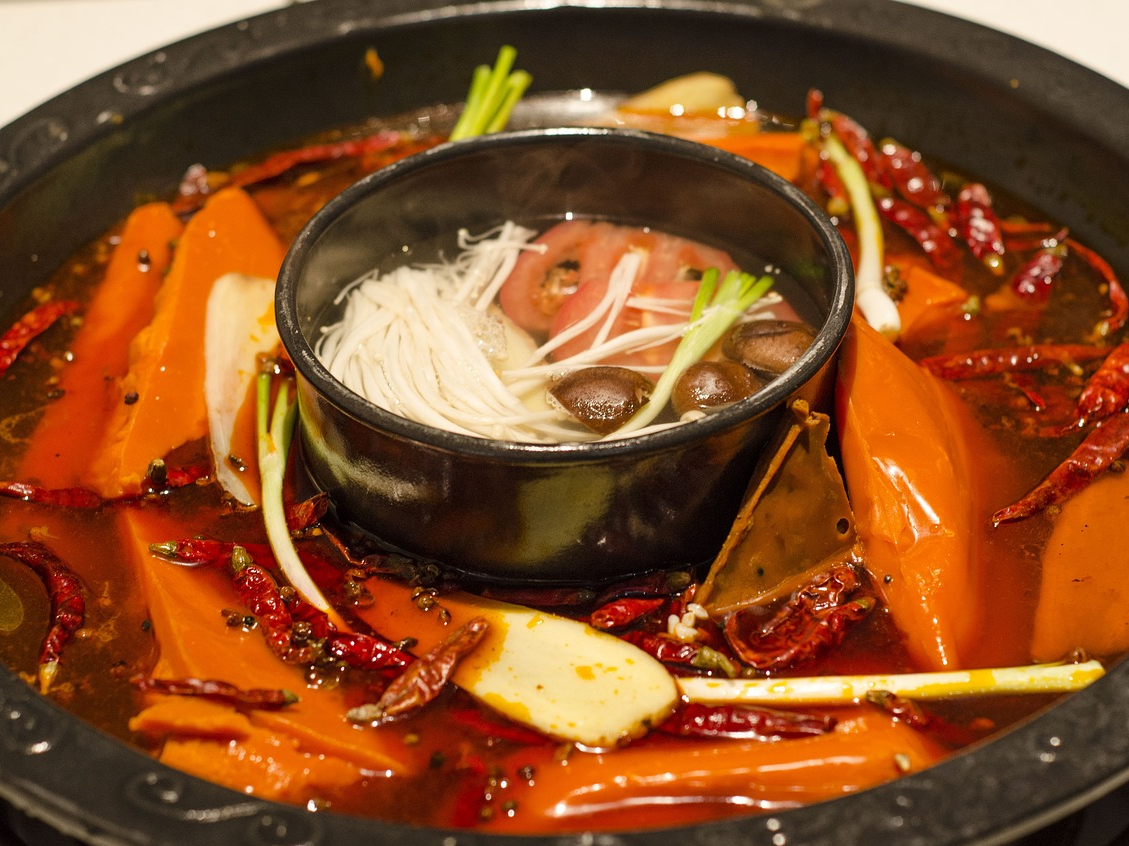
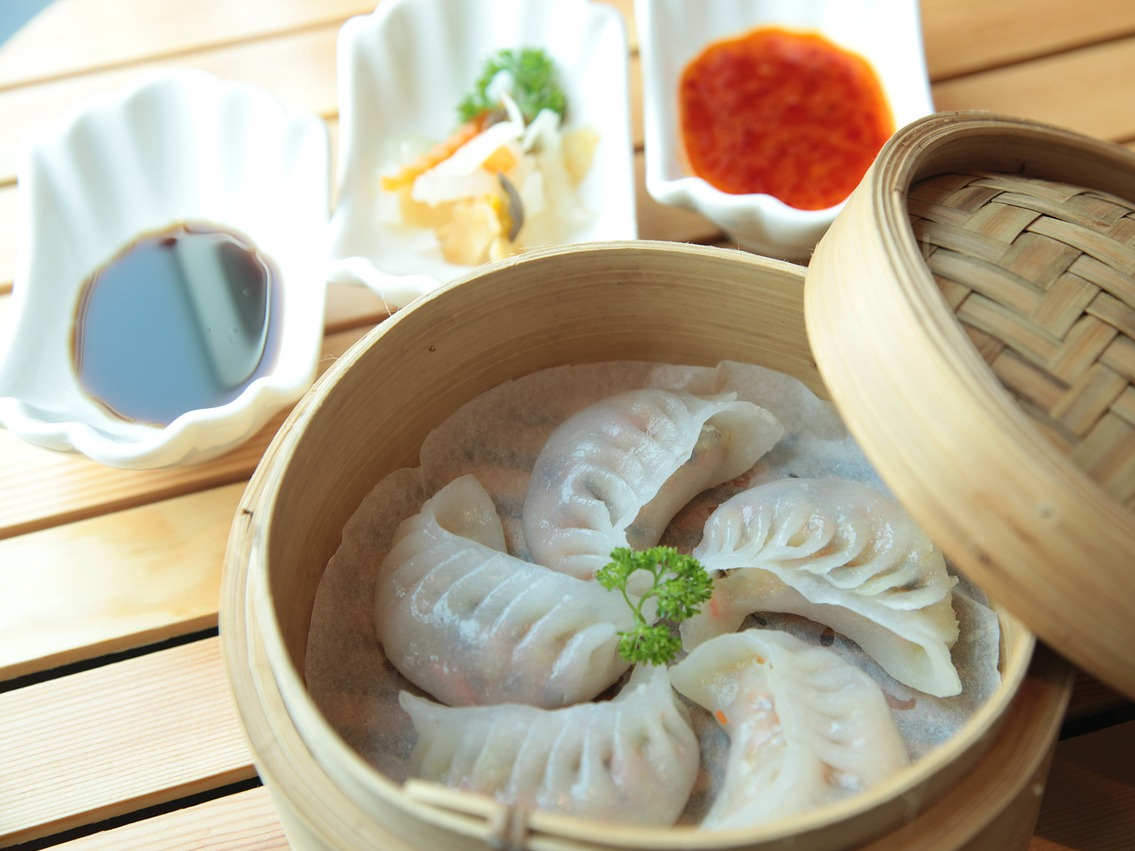
(Dumplings)
Language
The main language spoken is Mandarin Chinese. Below are some key phrases (phonetic translation) to get you started. A big smile and a few words can get you a long way!




 WindingTravel