
Your Complete Guide to Exploring the Best of Cambodia
Cambodia is a captivating Southeast Asian country defined by vibrant culture, ancient heritage and lush, diverse landscapes. From misty highland forests to tranquil river plains, it offers encounters with bustling markets, serene villages and welcoming communities where traditional dance, flavourful cuisine and ornate handicrafts reflect centuries of creativity and resilience. Friendly locals share stories of past struggles and present-day aspirations, inviting travellers to explore hidden trails, savour spicy specialties and embrace a timeless spirit of adventure.
When to visit
Temp Range
Currency
Min Budget


Nov – Feb
25 – 35 °C
77 – 95 °F
Riel (KHR)
$20-35/day
Top Attractions
See below for a selection of the top attractions in Cambodia, review the map to see where these are located to help plan your trip.
Angkor Archaeological Park
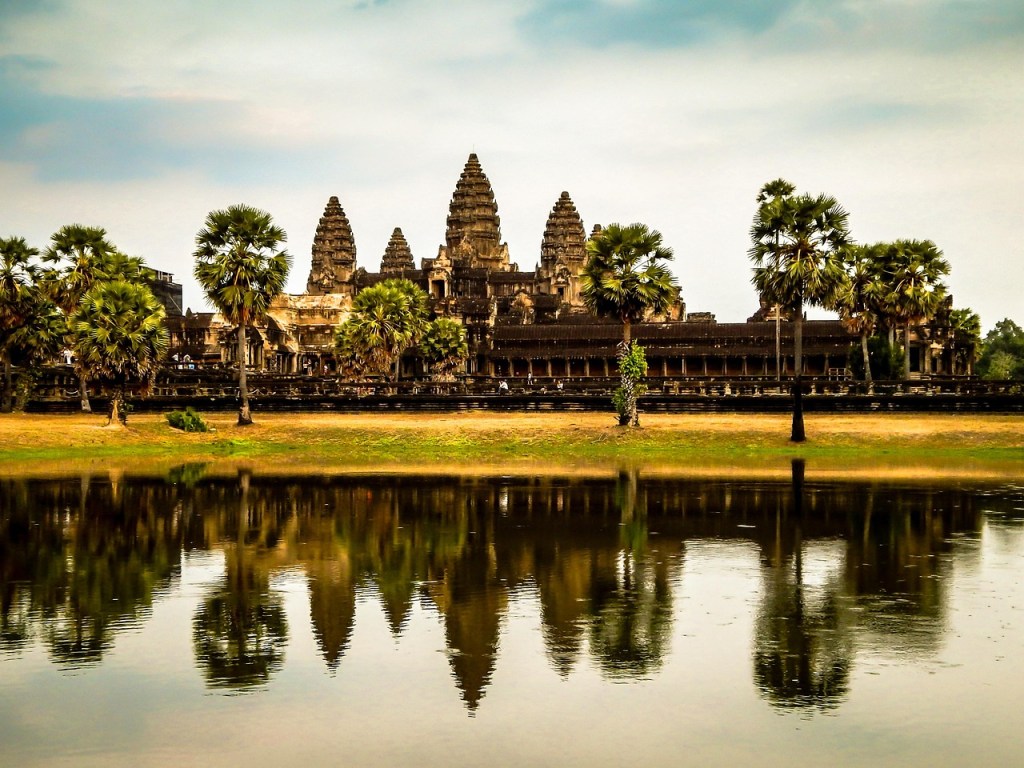
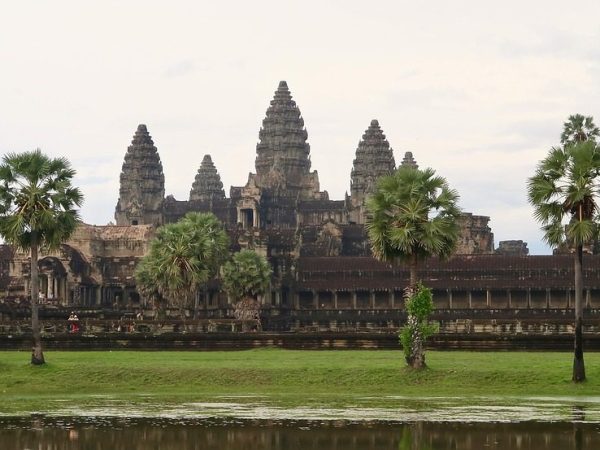
The monumental heart of the Khmer Empire, this sprawling park (over 400 km²) encompasses the world-famous Angkor Wat, the enigmatic Bayon faces, the atmospheric Ta Prohm “jungle temple” and the delicate carvings of Banteay Srei, among dozens more. From sunrise reflections on the moat to sunset panoramas atop ancient galleries, its layered architecture and bas-reliefs trace a millennium of religion, power and artistry in stone.
Access from – Siem Reap
Phnom Kulen National Park
Revered as the birthplace of the Khmer Empire, Phnom Kulen rises to 487 m and is dotted with shrines, waterfalls and the famous “River of a Thousand Lingas”—a riverbed carved with Hindu motifs. Hike jungle trails to hidden pools, wade beneath cascading falls, and explore a reclining Buddha statue hewn from sandstone. Its spiritual atmosphere and cooler mountain air provide a refreshing contrast to lowland ruins.
Access from – Siem Reap
Beng Mealea Temple
Largely unrestored and engulfed by forest, 12th-century Beng Mealea offers a “Lost World” adventure through collapsed galleries, vaulted chambers and moss-covered stones. Once buried under thick vegetation, its grand entrance causeway and intricately carved lintels evoke the design of Angkor Wat on a more intimate, exploration-friendly scale—ideal for photographers and history enthusiasts seeking atmospheric off-beat ruins.
Access from – Siem Reap
Koh Ker Temple Complex
For seven years (928–935 AD), Koh Ker served as the Khmer capital, leaving over 180 temple ruins set amid dense jungle. The centrepiece is Prasat Thom, a seven-tiered pyramid rising nearly 30 m above the canopy, alongside dozens of smaller shrines and barays (reservoirs). Its remote setting and fewer crowds make sunrise or sunset visits especially rewarding for panoramic forest vistas and ancient stone profiles.
Access from – Siem Reap
Phnom Penh Royal Palace
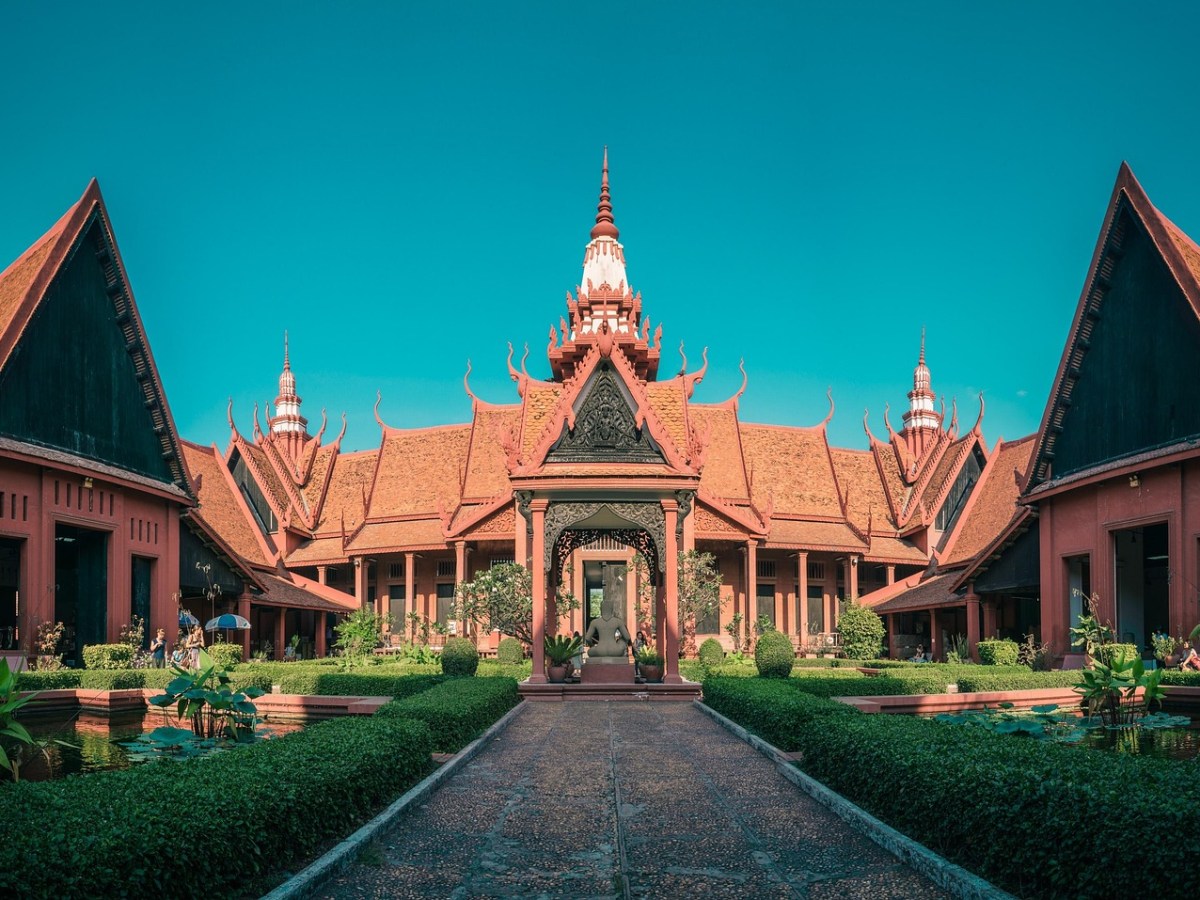
Completed in 1866, the Royal Palace complex sits on manicured grounds beside the Tonle and Mekong rivers. Highlights include the gleaming Silver Pagoda, whose floor is inlaid with 5,000 silver tiles and houses priceless Buddha statues, and the grand Throne Hall. Gilded pavilions, naga-lined bridges and lush gardens evoke Cambodia’s living monarchy and its blend of Khmer and French colonial architectural influences.
Access from – Phnom Penh
Tuol Sleng Genocide Museum (S-21)
Once a secondary school turned Khmer Rouge security prison, Tuol Sleng holds harrowing testimonies of atrocity. Preserved cells, walls peppered with bullet holes and thousands of visitor photographs of victims confront the brutality of the regime. Exhibits include original interrogation rooms and documentary evidence, while audio guides and survivor narratives offer context on Cambodia’s darkest chapter and the resilience of its people.
Access from – Phnom Penh
Choeung Ek Killing Fields
The principal Khmer Rouge execution site, Choeung Ek’s serene orchard belies its grim history. A 17-m memorial stupa displays more than 8,000 human skulls exhumed from mass graves. Interpretive paths and an audio guide recount testimonies of survivors and victims, encouraging reflection on the Cambodian genocide and the importance of remembrance.
Access from – Phnom Penh
Tonle Sap Lake & Floating Villages
Southeast Asia’s largest freshwater lake swells five-fold in the wet season, creating unique waterborne communities. Boat cruises through Chong Khneas or Kampong Phluk reveal stilted houses, floating schools and fish farms. Guides explain traditional fishing methods, seasonal ecology and the UNESCO Biosphere Reserve’s importance to regional food security and biodiversity.
Access from – Siem Reap
Kampot Pepper Plantations
Renowned for its fragrant red, black and white pepper, organic Kampot pepper grows on verdant hillside farms near Kampot town. Guided walks along vine-clad trellises demonstrate hand-harvesting and drying processes. Tastings reveal nuanced spicy-citrus aromas, while farm shops offer freshly ground pepper, sauces and pepper-infused chocolate, highlighting this UNESCO-protected spice’s significance to local heritage.
Access from – Kampot
Koh Rong Island
A tropical idyll off Sihanoukville’s coast, Koh Rong boasts 43 km of white-sand beaches, turquoise waters and swaying palms. Its main village features beachfront bungalows, seafood shacks and bars. Activities include snorkelling over coral reefs, jungle trekking to hilltop views and night-time bioluminescent plankton swims, offering a blend of relaxation and adventure.
Access from – Sihanoukville
Bokor Hill Station
Built in the 1920s as a colonial retreat, Bokor Hill Station perches at 1,080 m in Preah Monivong National Park. Mist-shrouded ruins—an old hotel, casino and Catholic church—lie amid mossy jungle. Cool temperatures, panoramic views of the Gulf of Thailand and the abandoned atmosphere draw photographers, hikers and history buffs seeking an eerie mountain escape.
Access from – Kampot
Irrawaddy Dolphins at Kratie
One of the world’s few freshwater Irrawaddy dolphin habitats lies along the Mekong River near Kratie. Dawn boat tours from the town pier slip upstream past limestone islets where pods surface for air. Naturalist guides discuss conservation efforts and the dolphins’ endangered status, while tranquil river vistas provide opportunities for wildlife photography and community engagement.
Access from – Kratie
Battambang Bamboo Train (Norry)
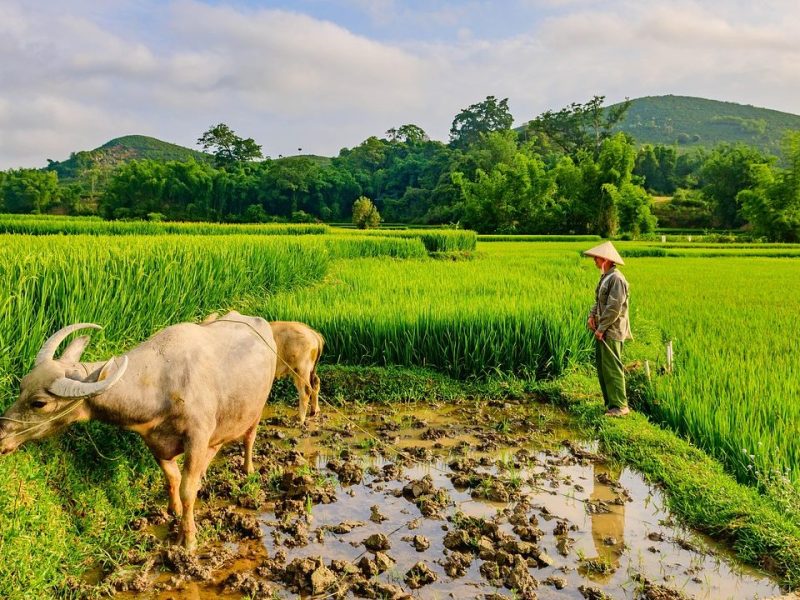
This charming rural rail experience uses motorized wooden platforms on narrow-gauge tracks. Skimming over rice paddies, river crossings and village stops, the “norry” offers a whimsical glimpse of Cambodian countryside life. Riders flag down on-coming trains and dismantle platforms to pass—a testament to local ingenuity and communal spirit in a timeless setting.
Access from – Battambang
Preah Vihear Temple
Clinging to the Dangrek Mountains on the Cambodia–Thailand border, this 9th-century Hindu shrine dedicated to Shiva offers commanding views of the plains below. Elaborate carvings, an axial design and cliff-edge staircases exemplify classical Khmer architecture. Declared a UNESCO World Heritage Site, it’s often combined with visits to border-region villages and scenic mountain drives.
Access from – Preah Vihear Province
Map
See map of Cambodia to review top attractions. For the best experience save locally to open with google maps/share with your friends to help plan your next adventure!
Transport
Backpackers commonly travel between major hubs—Phnom Penh, Siem Reap, Battambang and Sihanoukville—on VIP and VIP-plus buses, with fares from US $8 to $20. An overnight train links Phnom Penh and Sihanoukville for a scenic alternative. Low-cost domestic flights connect longer routes, while river ferries on Tonlé Sap and the Mekong provide unique journeys between lake and riverside communities. Shorter hops rely on moto-taxis and tuk-tuks. In cities like Phnom Penh and Siem Reap, ride-hailing apps including Grab and local PassApp serve both car and motorcycle taxis, offering air-conditioned comfort, transparent fares and cashless payments via smartphone.
Budget
Backpacking Cambodia can cost as little as US $20–$35 per day, covering dorm beds, street food and local buses. A comfortable mid-range itinerary runs about US $50–$100 per day for private rooms, guided tours and nicer meals. Luxury travel typically starts at US $150 per person per day, including upscale hotels and private transfers.
Seasonality and Weather
Cambodia’s climate is tropical monsoon, with hot, humid conditions year-round. Average daytime highs range from 28 °C (82 °F) in the cool season (November–February) to around 35 °C (95 °F) at the peak of the hot season (March–May). Coastal areas like Sihanoukville benefit from sea breezes that shave a few degrees off the heat, while inland plains and Phnom Penh can feel more oppressive. In northern highland regions (for example, Ratanakiri) night-time temperatures may dip to about 20 °C (68 °F). The rainy season runs from June through October with daily downpours. The best time to visit is the dry, cooler period from late November to February.
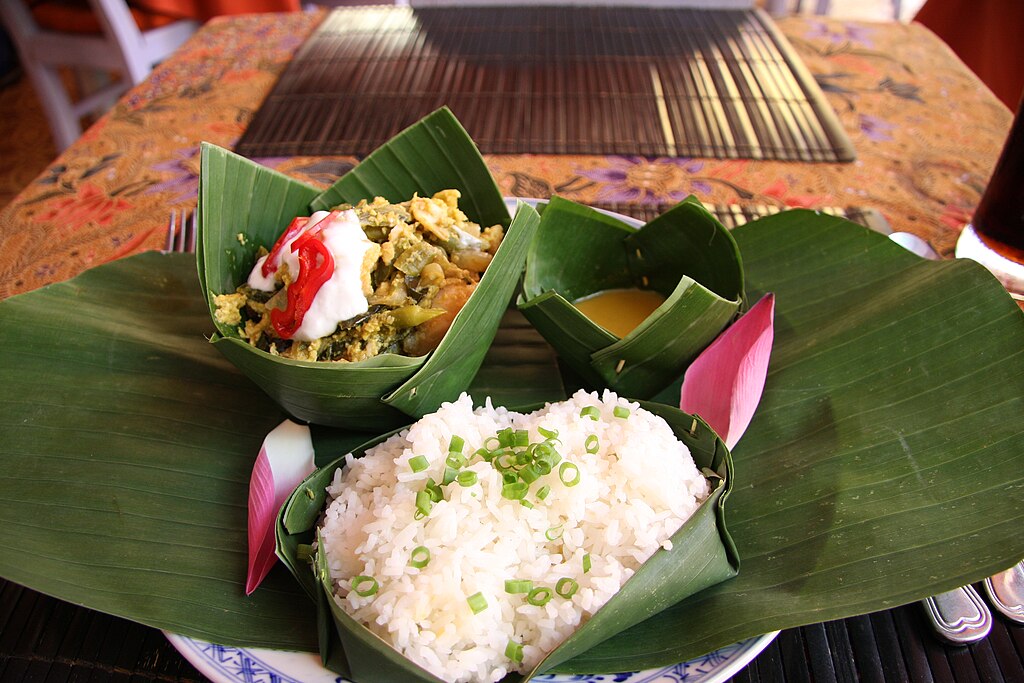
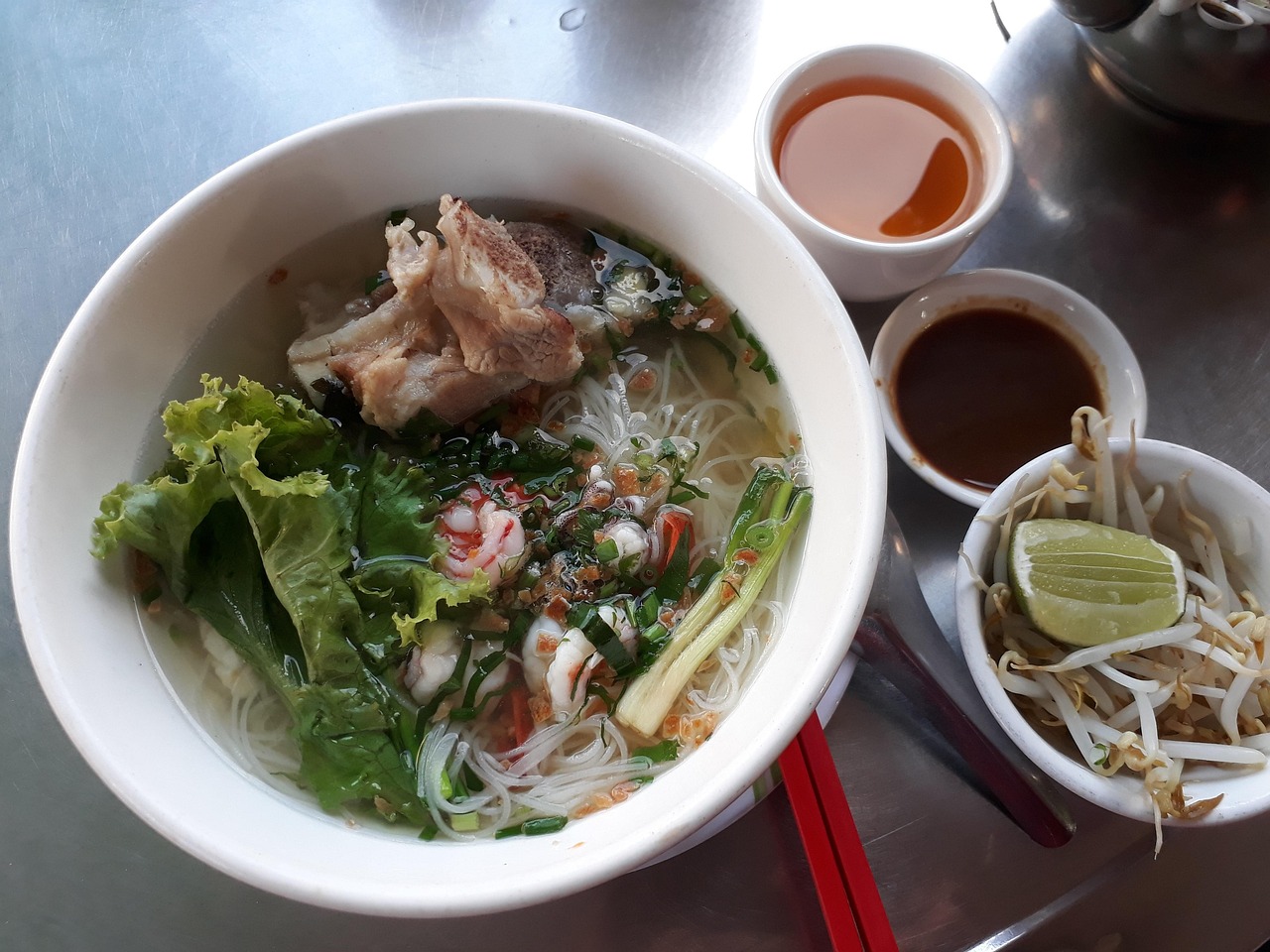
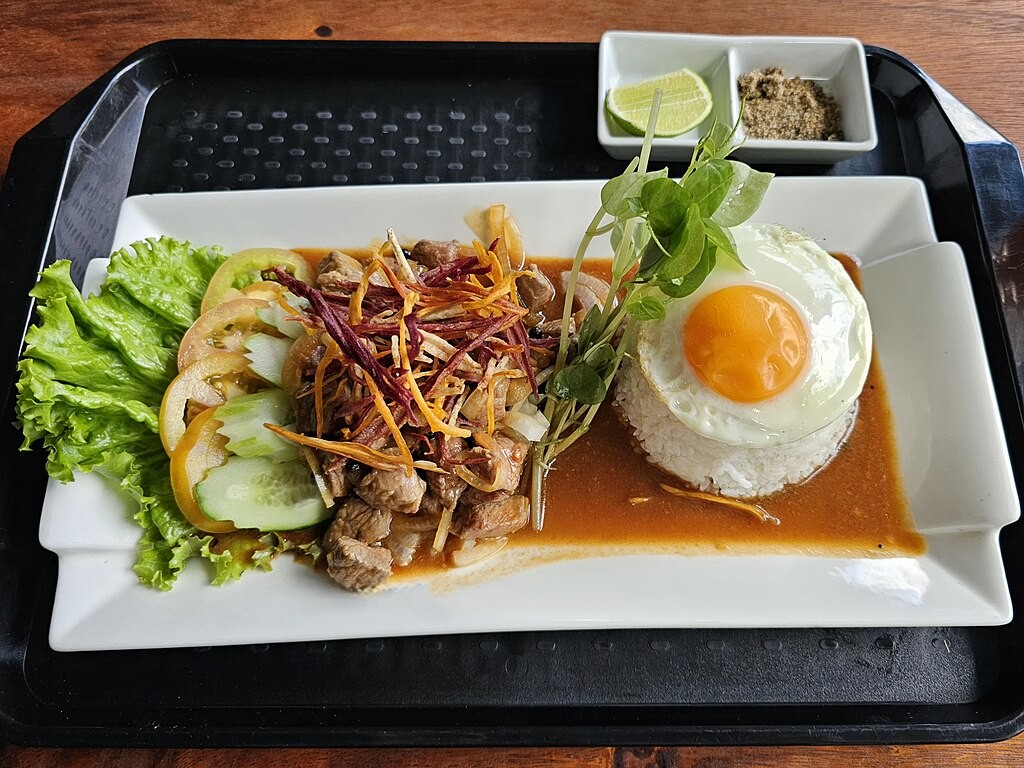
Must Try Dishes
Language
The main language spoken is Khmer. Below are some key phrases (phonetic translation) to get you started. A big smile and a few words can get you a long way!



 WindingTravel

